Table of Contents
- Introduction
- Understanding Commercial Vehicle Scrapping in Singapore
- Factors That Affect Scrap Value for Lorries, Buses, and Vans
- Vehicle Age and Condition
- Type and Size of Vehicle
- Market Demand for Scrap Metal
- Preparing Your Commercial Vehicle for Scrapping
- Documentation and Logbook Requirements
- Removing Personal Items and Valuables
- Minor Repairs and Cleaning
- Choosing the Right Scrapyard
- Licensed Commercial Vehicle Scrapyards
- Reputation, Reviews, and Services
- Regulatory Considerations
- Environmental Compliance
- Road Authority Requirements
- Maximising Scrap Value
- Selling Valuable Parts Separately
- Timing and Market Trends
1. Introduction
Scrapping commercial vehicles such as lorries, buses, and vans in Singapore requires a careful approach to ensure compliance with regulations and to maximise financial returns. Unlike private cars, commercial vehicles have different weights, parts, and operational histories, all of which can affect their scrap value. Understanding the scrapping process and market trends is crucial for owners and fleet managers.
For a detailed step-by-step guide on scrapping commercial buses, see A Comprehensive Guide to Scrapping Your Bus in Singapore. For lorries, refer to A Comprehensive Guide to Scrapping Your Truck in Singapore.
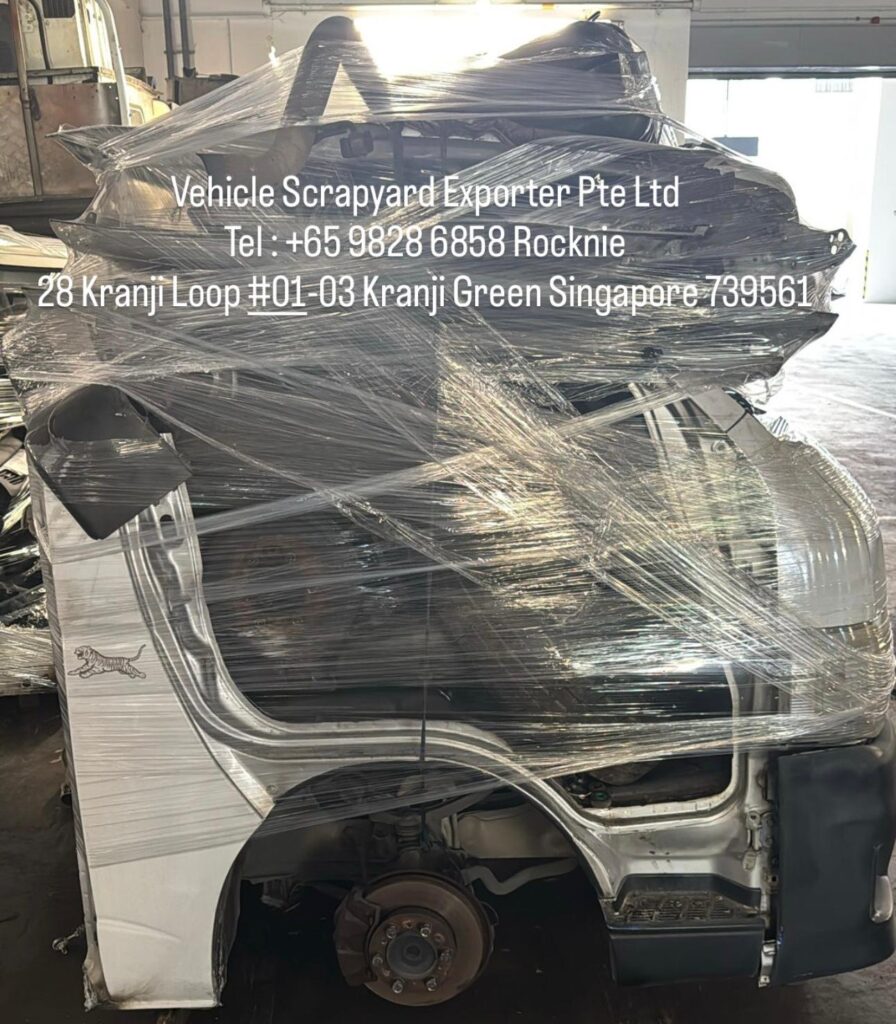
2. Understanding Commercial Vehicle Scrapping in Singapore
Commercial vehicle scrapping involves de-registering the vehicle, transferring ownership to a licensed scrapyard, and recycling metals and parts responsibly. The process is strictly regulated to ensure environmental safety, and scrapyards follow protocols to dismantle, process, and recycle different components of commercial vehicles.
The scrap value depends on factors like vehicle weight, condition, and current market rates for scrap metal. Commercial vehicles often have higher scrap value than private cars due to their size and heavier metal content.
3. Factors That Affect Scrap Value for Lorries, Buses, and Vans
Vehicle Age and Condition
Older commercial vehicles with worn-out engines or damaged components may receive lower scrap offers. Vehicles in better mechanical condition, even if not roadworthy, can provide additional value through reusable parts.
Type and Size of Vehicle
The type of vehicle significantly impacts scrap value. Lorries and buses are heavier, providing more metal per unit and often yielding higher scrap payouts. Vans, while smaller, can still fetch competitive prices due to the value of reusable parts.
Market Demand for Scrap Metal
Fluctuations in the global scrap metal market affect the rates offered by scrapyards. Owners should be aware of market trends to time scrapping for maximum financial benefit.
4. Preparing Your Commercial Vehicle for Scrapping
Documentation and Logbook Requirements
Ensure that all relevant documentation such as logbooks, insurance papers, and any loan clearance documents are ready. Scrapyards require these for legal compliance and smooth processing.
Removing Personal Items and Valuables
Check the vehicle for personal belongings and valuable aftermarket equipment like GPS devices, radios, and tools. Removing these items can improve the safety and efficiency of the scrapping process.
Minor Repairs and Cleaning
While major repairs may not be cost-effective, cleaning the vehicle and performing minor fixes can make it more presentable and potentially increase its perceived value at the scrapyard.
5. Choosing the Right Scrapyard
Licensed Commercial Vehicle Scrapyards
Always select a scrapyard licensed to handle commercial vehicles. This ensures adherence to environmental and safety standards.
Reputation, Reviews, and Services
Research customer reviews and testimonials. A reputable scrapyard may offer additional services such as free towing, assistance with paperwork, and immediate payment, which can simplify the process.
6. Regulatory Considerations
Environmental Compliance
Scrapyards must follow strict environmental regulations to manage waste, fluids, and metals properly. Ensuring that your chosen scrapyard complies with these standards protects you from legal liabilities.
Road Authority Requirements
Commercial vehicles must be deregistered with the Land Transport Authority (LTA) or relevant authorities before scrapping. Compliance with local regulations is mandatory and ensures a smooth scrapping process.
7. Maximising Scrap Value
- Selling Valuable Parts Separately: Components like engines, batteries, tyres, and electronics can be sold separately for additional revenue.
- Timing and Market Trends: Keep track of scrap metal prices and market demand. Scrapping when prices are higher can significantly improve returns.
Reference Links: