• Skip to primary navigation
  • Skip to main content

Vehicle Scrapyard Exporter Pte Ltd

Vehicles Scrapyard In Singapore

Scrap Yard Singapore

Truck for Scrap in Singapore: How to Evaluate Value, Condition, and Best Selling Options in 2026

June 16, 2026 by admin Leave a Comment

Table of Contents

  1. Introduction
  2. What “Truck for Scrap” Means in Singapore Context
  3. Key Factors That Determine Truck Scrap Value
  4. Step-by-Step Process to Scrap a Truck in Singapore
  5. Scrap vs Export vs Repair: What Should You Choose?
  6. How Scrap Yards Calculate Heavy Vehicle Value
  7. Common Mistakes Truck Owners Make Before Scrapping
  8. How to Maximise Scrap Value for Your Truck
  9. Timeline: How Long the Scrap Process Takes
  10. Conclusion

1. Introduction

In Singapore, disposing of a commercial vehicle such as a truck is not as simple as selling a used passenger car. A “truck for scrap” decision often involves financial calculations, regulatory steps with LTA, and choosing between scrapping, exporting, or repairing.

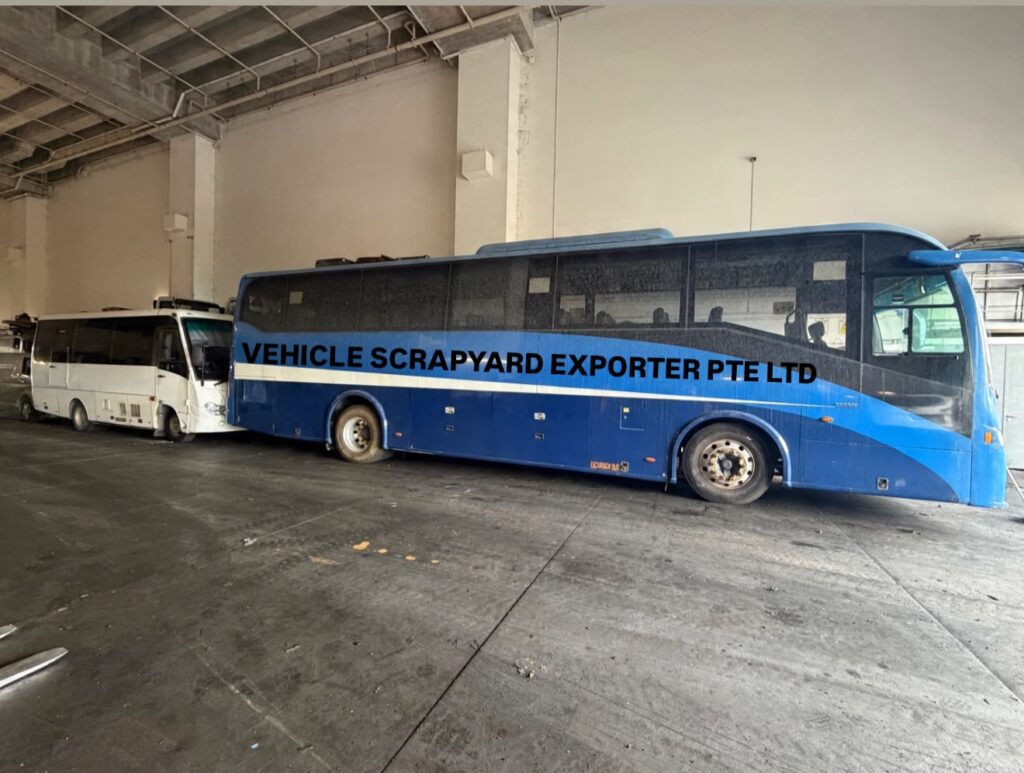
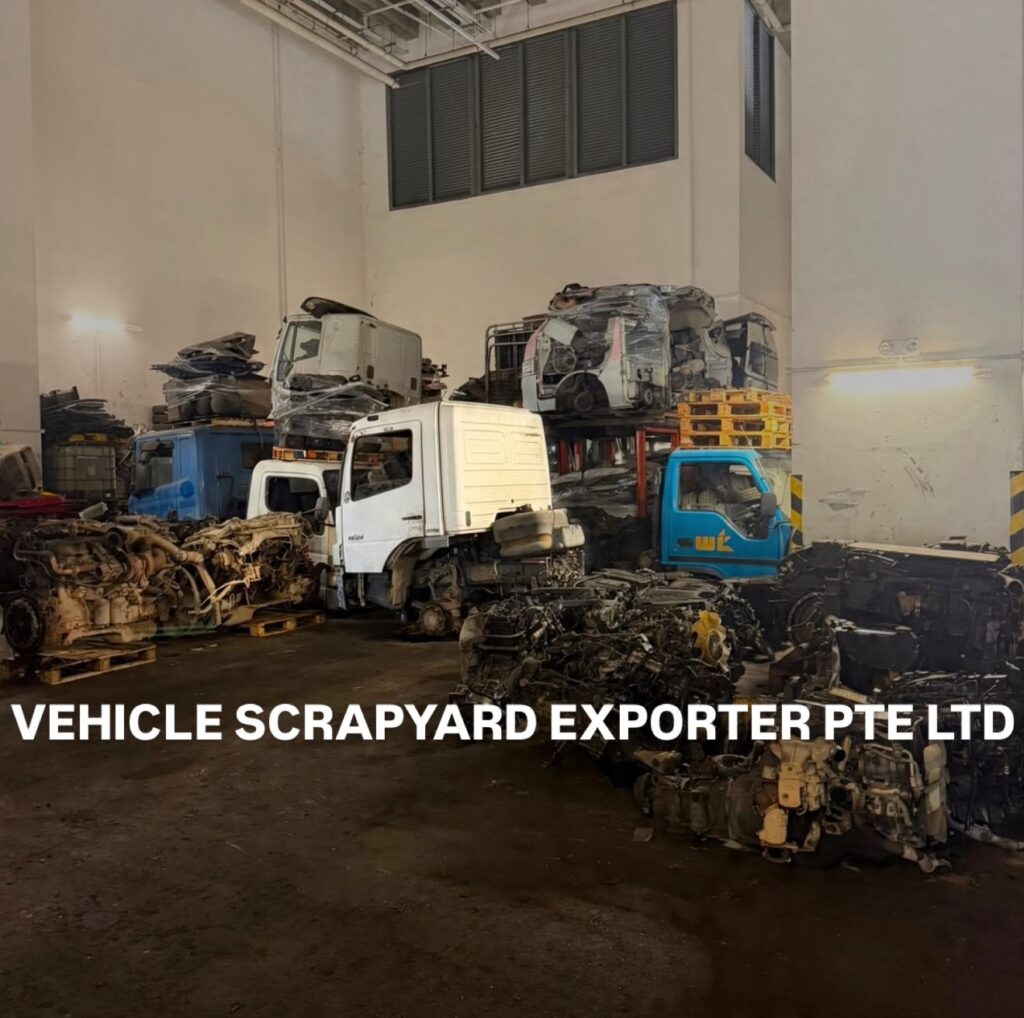
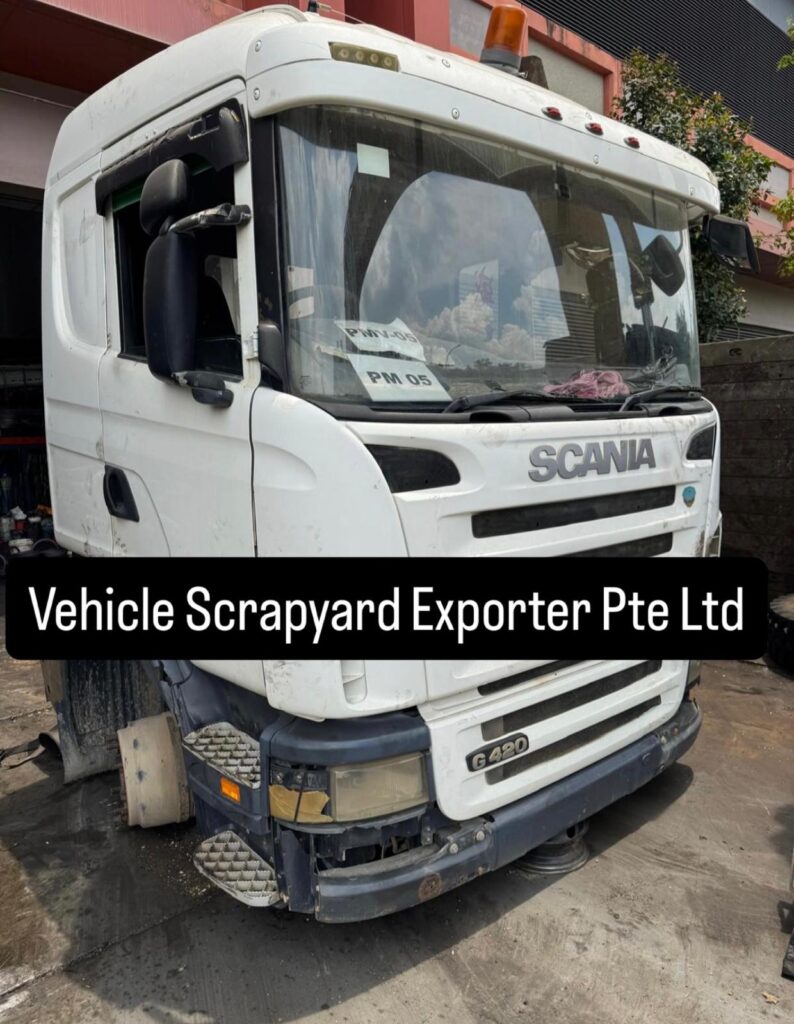
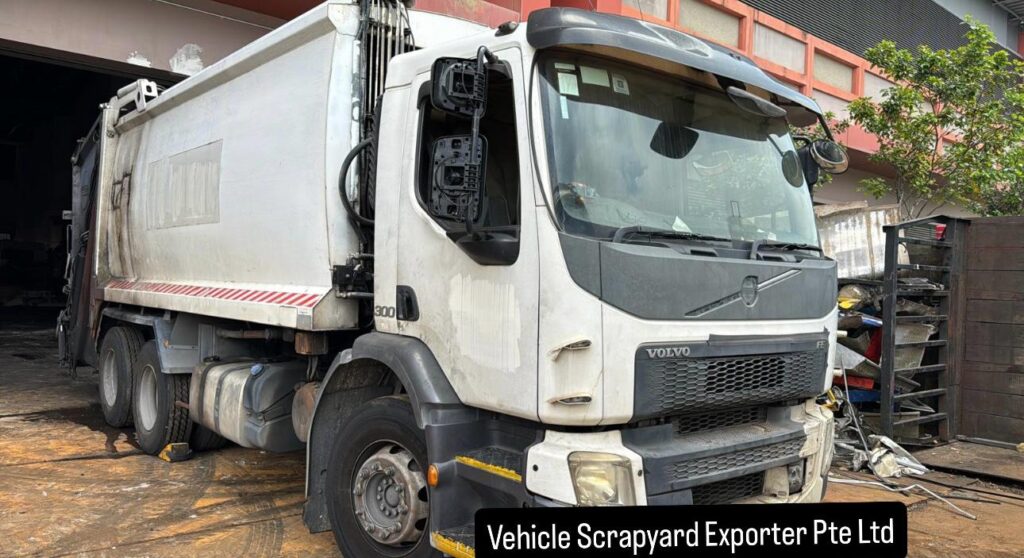
Truck for Scrap in Singapore: How to Evaluate Value, Condition, and Best Selling Options in 2026

With rising vehicle maintenance costs, COE pressures, and stricter emissions expectations, many owners of aging trucks eventually reach a point where scrapping becomes the most practical option. This guide explains everything you need to know about scrapping a truck in Singapore in 2026, including how value is determined and how to maximise returns.


2. What “Truck for Scrap” Means in Singapore Context

A “truck for scrap” refers to a commercial truck that is no longer economically viable to maintain, repair, or operate, and is sent to an authorised scrapyard for dismantling and recycling.

In Singapore, trucks may be scrapped due to:

  • Expired or soon-to-expire COE
  • High repair and maintenance costs
  • Engine or gearbox failure
  • Accident damage
  • Fleet renewal by logistics companies
  • Regulatory or emissions upgrades

Once scrapped, the truck is deregistered with LTA, and its usable materials (steel, aluminium, parts) are recovered and recycled.

For reference on scrapping processes, you can see related guides such as:
How to Scrap Your Car in Singapore


3. Key Factors That Determine Truck Scrap Value

The scrap value of a truck in Singapore is not fixed. It depends on several key factors:

3.1 Vehicle Weight and Metal Content

Heavier trucks typically contain more steel and iron, which increases scrap value. Prime movers and large lorries usually command higher scrap payouts than light-duty trucks.

3.2 Condition of Key Components

Even in scrap scenarios, usable parts affect valuation:

  • Engine condition
  • Gearbox condition
  • Axles and drivetrain
  • Electrical components

If parts are reusable or exportable, the value increases.

3.3 Market Metal Prices

Scrap value fluctuates based on global commodity markets. When steel and aluminium prices rise, scrap payouts increase accordingly.

3.4 COE and Deregistration Status

Remaining COE value and PARF rebate eligibility (if applicable) influence whether scrapping is more beneficial than exporting.

3.5 Vehicle Type

Different trucks have different scrap values:

  • Light goods vehicles (LGV)
  • Heavy lorries
  • Refrigerated trucks
  • Construction dump trucks
  • Prime movers

Prime movers generally yield the highest scrap value due to size and weight.


4. Step-by-Step Process to Scrap a Truck in Singapore

Scrapping a truck in Singapore involves a regulated process overseen by the Land Transport Authority (LTA).

Step 1: Choose an Authorised Scrapyard

Only LTA-approved scrapyards can process vehicle deregistration and scrapping.

Step 2: Prepare Required Documents

Typically required:

  • Vehicle log card
  • Owner identification
  • LTA deregistration forms
  • Authorisation letter (if company-owned vehicle)

Step 3: Deregister the Truck with LTA

The vehicle must be officially deregistered before scrapping begins.

Step 4: Deliver Vehicle to Scrap Yard

The truck is physically delivered or towed to the scrapyard.

Step 5: Valuation and Final Inspection

Scrapyard evaluates:

  • Weight
  • Condition
  • Usable parts

Step 6: Payment and Recycling

Once agreed, payment is made and the truck is dismantled for recycling.

For commercial vehicles, you may also refer to this guide:
A Comprehensive Guide to Scrapping Commercial Vehicles in Singapore


5. Scrap vs Export vs Repair: What Should You Choose?

Before deciding to scrap your truck, it is important to compare alternatives.

Scrap

Best when:

  • Repair costs exceed vehicle value
  • Truck is not roadworthy
  • COE is expired with no renewal intention

Export

Best when:

  • Vehicle still runs reliably
  • Demand exists in overseas markets
  • Mileage and condition are acceptable

Repair or Refurbish

Best when:

  • Minor mechanical issues
  • High remaining COE value
  • Fleet operator planning continued usage

Many truck owners lose money by scrapping too early without considering export potential.


6. How Scrap Yards Calculate Heavy Vehicle Value

Scrap yards in Singapore use a structured valuation method:

6.1 Base Metal Weight Calculation

The truck is weighed, and a base price per kilogram is applied.

6.2 Component Salvage Value

Certain parts are removed and resold:

  • Engines
  • Gearboxes
  • Tyres (if usable)
  • Hydraulic systems

6.3 Export Potential Assessment

If parts or whole vehicle can be exported, value increases significantly.

6.4 Market Demand Adjustment

Scrap yards adjust pricing based on current demand for recycled materials.

The final offer is usually a combination of these factors rather than a single fixed rate.


7. Common Mistakes Truck Owners Make Before Scrapping

Many owners unintentionally reduce their scrap payout. Common mistakes include:

7.1 Not Comparing Scrap Yards

Different yards may offer different valuations.

7.2 Scrapping Without Removing Valuable Accessories

Items like GPS trackers, toolboxes, or custom parts may have resale value.

7.3 Ignoring Export Opportunities

Some trucks are still viable for export markets but are scrapped prematurely.

7.4 Poor Timing

Scrapping during low metal price periods reduces returns.

7.5 Missing Documentation

Incomplete paperwork can delay or reduce valuation.


8. How to Maximise Scrap Value for Your Truck

If you want to get the best return from a truck for scrap in Singapore, consider the following strategies:

8.1 Get Multiple Quotations

Always compare at least 2–3 scrapyards.

8.2 Time the Scrap Period

Scrap when steel prices are relatively high.

8.3 Maintain Basic Condition Before Scrap

Even small improvements like battery replacement or tire inflation can improve inspection perception.

8.4 Remove and Sell Valuable Parts Separately

Items like batteries, tyres, or aftermarket upgrades can be sold independently.

8.5 Work with Experienced Export-Scrap Dealers

Some companies combine export and scrap channels, often giving higher payouts.


9. Timeline: How Long the Scrap Process Takes

The full process of scrapping a truck in Singapore typically takes:

  • Documentation and deregistration: 1–2 days
  • Scrap yard inspection: same day
  • Payment processing: immediate to 1 day
  • Final dismantling: 1–3 weeks (internal yard process)

Delays usually occur only when paperwork is incomplete or ownership verification is unclear.


10. Conclusion

Deciding to scrap a truck in Singapore is both a financial and operational decision. Understanding how scrap value is calculated, comparing alternatives like export, and choosing the right scrapyard can significantly affect your final payout.

For many owners, especially those with aging fleets or high-maintenance vehicles, scrapping is not just an end-of-life solution but also a way to recover value efficiently and responsibly.

If you are considering disposal, always evaluate condition, compare options, and understand the full lifecycle of your vehicle before making the final decision.

Filed Under: Scrap Yard Singapore

Trucks for Scrap in Singapore: Best Options for Disposal and Export

May 17, 2026 by admin

In Singapore’s commercial vehicle industry, trucks for scrap represent a major segment of end-of-life assets that still carry significant value. Whether it is a delivery truck, construction vehicle, or heavy-duty logistics truck, owners often face the decision of scrapping, exporting, or selling their vehicles when they reach the end of their usable lifespan.

This guide explains everything you need to know about scrapping trucks in Singapore, including valuation, disposal methods, export opportunities, and how to maximise returns.


Table of Contents

  1. Introduction to Truck Scrapping in Singapore
  2. What Does “Trucks for Scrap” Mean?
  3. Types of Trucks Commonly Sent for Scrap
  4. Signs Your Truck Should Be Scrapped
  5. Scrap Value of Trucks Explained
  6. Export vs Scrap: What’s the Difference?
  7. Truck Scrapyard Process in Singapore
  8. Step-by-Step Truck Disposal Procedure
  9. Documents Required for Truck Scrapping
  10. Factors That Affect Scrap Truck Pricing
  11. What Happens to Trucks After Scrapping
  12. Export Market for Used Trucks
  13. How to Maximise Scrap Value
  14. Common Mistakes Truck Owners Make
  15. Conclusion

1. Introduction to Truck Scrapping in Singapore

Singapore has a structured vehicle lifecycle system where commercial trucks are deregistered, scrapped, or exported once they are no longer cost-effective to maintain. Because trucks are heavily used in logistics, construction, and industrial transport, they often reach high mileage quickly.

When maintenance costs rise or COE expires, owners must decide whether to repair, sell, export, or send their truck for scrap.

Trucks for Scrap in Singapore: Best Options for Disposal and Export

2. What Does “Trucks for Scrap” Mean?

The term “trucks for scrap” refers to commercial trucks that are:

  • No longer roadworthy
  • Too expensive to repair
  • Near or past COE expiry
  • Damaged beyond economical repair
  • Replaced by newer fleet vehicles

These trucks are either dismantled for parts or exported to countries where used commercial vehicles are still in demand.


3. Types of Trucks Commonly Sent for Scrap

Different types of trucks eventually reach scrap stage, including:

Light Commercial Trucks

Used for delivery and small logistics operations.

Box Trucks

Common in courier and logistics services.

Refrigerated Trucks

Used in food transport but expensive to maintain when old.

Dump Trucks

Common in construction and earthworks.

Heavy-Duty Cargo Trucks

Used for industrial freight and long-haul transport.

Each category has different scrap and export value depending on condition and demand.


4. Signs Your Truck Should Be Scrapped

Truck owners should consider scrapping when the following signs appear:

  • Frequent engine breakdowns
  • Rising fuel consumption
  • Gearbox or transmission failure
  • High repair costs exceeding market value
  • Structural rust or chassis damage
  • COE renewal not financially viable

In many cases, if repair costs exceed 40% of the truck’s value, scrapping becomes the smarter option.


5. Scrap Value of Trucks Explained

The scrap value of a truck is influenced by multiple factors:

Vehicle Weight

Heavier trucks generally yield higher metal recycling value.

Condition of Parts

Working engines, gearboxes, and axles increase value.

Demand for Used Parts

Popular models often fetch higher resale or export value.

Metal Market Prices

Steel, copper, and aluminium prices directly affect scrap value.

Vehicle Age

Newer trucks typically have better export potential.


6. Export vs Scrap: What’s the Difference?

Truck owners in Singapore usually have two main options:

Scrap (Recycling)

  • Vehicle is dismantled
  • Materials are recycled
  • Payment based on metal and parts value

Export (Resale Overseas)

  • Vehicle is repaired or refurbished
  • Sold to overseas markets
  • Higher potential payout

Export is usually more profitable if the truck is still in usable condition.


7. Truck Scrapyard Process in Singapore

A professional scrapyard follows a structured process:

Inspection

Truck is assessed for export or scrap potential.

Valuation

Price is based on condition, weight, and market demand.

Deregistration

Owner must deregister the vehicle before disposal.

Collection

Truck is towed to scrapyard or export facility.

Dismantling or Export Prep

Either broken down for recycling or prepared for shipment.


8. Step-by-Step Truck Disposal Procedure

Step 1: Request Evaluation

Owner submits truck details for assessment.

Step 2: Receive Quotation

Scrap or export price is offered.

Step 3: Confirm Deal

Owner accepts quotation.

Step 4: Deregistration Process

Vehicle is officially removed from road registry.

Step 5: Pickup Arrangement

Truck is collected by scrapyard or exporter.

Step 6: Payment Release

Owner receives payment after handover.


9. Documents Required for Truck Scrapping

To scrap or export a truck in Singapore, you generally need:

  • Vehicle log card
  • Owner identification (NRIC or company documents)
  • COE details
  • Deregistration proof
  • Export paperwork (if applicable)

Proper documentation ensures smooth processing without delays.


10. Factors That Affect Scrap Truck Pricing

Several factors determine how much your truck is worth:

  • Engine condition
  • Transmission functionality
  • Mileage
  • Vehicle brand and model
  • Demand in export markets
  • Current scrap metal prices
  • Availability of spare parts market

Even non-running trucks may still hold value depending on parts.


11. What Happens to Trucks After Scrapping

Once a truck enters a scrapyard:

Dismantling Stage

Usable components are removed and sorted.

Recycling Stage

Metal body is crushed and processed into raw materials.

Material Recovery

Steel, aluminium, and copper are separated.

Waste Disposal

Non-recyclable materials are disposed of safely.


12. Export Market for Used Trucks

Many trucks from Singapore are exported to countries where demand for affordable commercial vehicles is high.

Common export regions include:

  • Southeast Asia
  • South Asia
  • Africa

Export buyers often refurbish trucks for continued commercial use, making export a strong alternative to scrapping.


13. How to Maximise Scrap Value

To get the best price for trucks for scrap, owners should:

  • Get multiple quotations
  • Sell before severe mechanical failure
  • Consider export value before scrapping
  • Maintain service records
  • Remove branding and company decals early

Export offers are often significantly higher than scrap-only value.


14. Common Mistakes Truck Owners Make

Many owners reduce their returns by:

  • Waiting too long to scrap
  • Accepting first offer without comparison
  • Ignoring export opportunities
  • Not preparing documents in advance
  • Letting vehicles deteriorate fully before selling

Planning ahead can increase returns significantly.


15. Conclusion

Trucks for scrap in Singapore still hold strong financial value when handled correctly. Whether through recycling or export, commercial truck owners can recover a meaningful portion of their asset value if they understand the process and choose the right disposal method.

For owners looking for efficient disposal, export options, and competitive pricing, working with a professional service like our scrap yard ensures proper handling, compliance, and better value recovery for end-of-life trucks.

Filed Under: Scrap Yard Singapore

Prime Mover for Scrap: How Heavy Vehicles Are Recycled and Exported

April 16, 2026 by admin

A prime mover for scrap is one of the most valuable yet complex categories in the commercial vehicle recycling industry. In Singapore, where heavy vehicles like prime movers are widely used in logistics, construction, and port operations, scrapping or exporting them is a structured process governed by regulations, market demand, and component recovery value.

This guide explains everything you need to know about scrapping a prime mover in Singapore, including valuation, recycling methods, export potential, and step-by-step disposal processes.

Prime Mover for Scrap: How Heavy Vehicles Are Recycled and Exported

Table of Contents

  1. Introduction to Prime Movers in Singapore
  2. What Is a Prime Mover for Scrap?
  3. Reasons Companies Scrap Prime Movers
  4. When Should You Scrap a Prime Mover?
  5. Scrap Value of Prime Movers Explained
  6. Export Market for Used Prime Movers
  7. What Happens Inside a Heavy Vehicle Scrapyard
  8. Step-by-Step Process of Scrapping a Prime Mover
  9. Documents Required for Disposal in Singapore
  10. Recycling vs Exporting: Which Is Better?
  11. Components Recovered from Scrap Prime Movers
  12. Environmental Impact of Scrapping Heavy Vehicles
  13. How to Get the Best Value for Your Scrap Prime Mover
  14. Common Mistakes to Avoid
  15. Conclusion

1. Introduction to Prime Movers in Singapore

Prime movers are heavy-duty trucks designed to pull semi-trailers carrying large cargo loads. They are essential in Singapore’s logistics, construction, port, and industrial sectors.

Because of their heavy usage and high mileage, these vehicles eventually reach the end of their operational lifespan. At this stage, owners must decide whether to repair, resell, export, or send them for scrap.


2. What Is a Prime Mover for Scrap?

A prime mover for scrap refers to a deregistered or end-of-life heavy truck that is no longer economically viable to maintain or operate.

These vehicles are typically:

  • Too expensive to repair
  • No longer compliant with emission or safety standards
  • Near or beyond COE expiry
  • Damaged due to wear, accidents, or mechanical failure

Once classified as scrap, the vehicle is dismantled or exported for reuse in other markets.


3. Reasons Companies Scrap Prime Movers

Businesses in logistics and transport often scrap prime movers for several reasons:

High Maintenance Costs

Older engines require frequent repairs and expensive parts replacement.

COE Expiry

When Certificate of Entitlement (COE) expires, renewal costs may not justify continued use.

Operational Downtime

Breakdowns reduce productivity and affect delivery schedules.

Regulatory Compliance

Stricter emissions and safety regulations may make older vehicles non-compliant.

Fleet Upgrading

Companies often replace old prime movers with fuel-efficient or electric alternatives.


4. When Should You Scrap a Prime Mover?

Deciding the right time to scrap a prime mover depends on several indicators:

  • Frequent engine or gearbox failure
  • Rising fuel consumption
  • Excessive repair bills exceeding resale value
  • COE renewal cost higher than vehicle value
  • Vehicle downtime affecting business operations

In most cases, once repair costs exceed 40–50% of the vehicle’s market value, scrapping becomes the more practical option.


5. Scrap Value of Prime Movers Explained

The scrap value of a prime mover is not fixed. It depends on multiple factors:

1. Weight of Vehicle

Heavier vehicles generally yield more metal recycling value.

2. Condition of Engine and Parts

Working components like engines, transmissions, and hydraulic systems increase value.

3. Market Demand

Demand for used heavy vehicle parts or export units affects pricing.

4. Age of Vehicle

Newer vehicles tend to have higher resale or export potential.

5. Metal Market Prices

Steel and aluminium prices directly influence scrap valuation.

A prime mover may be valued higher for export than for pure scrap depending on its condition.


6. Export Market for Used Prime Movers

Not all prime movers end up as scrap metal. Many are exported to countries where regulations are less strict and demand for used heavy vehicles is high.

Popular export destinations include:

  • Southeast Asia
  • South Asia
  • Africa

Export buyers often refurbish these vehicles for continued use. This is why exporters can sometimes offer better prices compared to local scrap yards.


7. What Happens Inside a Heavy Vehicle Scrapyard

When a prime mover enters a scrapyard, the process is systematic:

Initial Inspection

The vehicle is assessed for reusable parts and scrap metal value.

Fluid Removal

Engine oil, coolant, brake fluid, and fuel are safely drained.

Dismantling

Usable components are removed, including:

  • Engine parts
  • Gearbox
  • Tyres
  • Batteries
  • Electrical systems

Crushing and Shredding

The remaining body is crushed and processed into recyclable metal.

Material Sorting

Metals are separated into steel, aluminium, and copper for recycling.


8. Step-by-Step Process of Scrapping a Prime Mover

Step 1: Vehicle Evaluation

A scrapyard or exporter inspects the vehicle condition.

Step 2: Quotation

A scrap value or export price is offered.

Step 3: Deregistration

The owner deregisters the vehicle with relevant authorities.

Step 4: Collection

The vehicle is towed to the scrapyard.

Step 5: Dismantling or Export Processing

Depending on condition, it is either dismantled or prepared for export.

Step 6: Final Payment

Owner receives payment based on agreed value.


9. Documents Required for Disposal in Singapore

To scrap or export a prime mover, the following documents are typically required:

  • Vehicle log card
  • Owner identification (NRIC or company documents)
  • Proof of deregistration
  • COE details
  • Export documents (if applicable)

Proper documentation ensures smooth processing and avoids delays.


10. Recycling vs Exporting: Which Is Better?

Recycling (Scrap)

Best when:

  • Vehicle is heavily damaged
  • Engine and parts are non-functional
  • No export demand exists

Exporting

Best when:

  • Vehicle is still operational
  • Engine and gearbox are in good condition
  • Export market demand is strong

Exporting usually yields higher returns than scrapping.


11. Components Recovered from Scrap Prime Movers

Even end-of-life prime movers contain valuable components:

  • Diesel engines
  • Gearboxes and transmissions
  • Axles and suspension systems
  • Aluminium body parts
  • Electrical wiring systems
  • Tyres and rims

These parts are either reused, refurbished, or recycled into raw materials.


12. Environmental Impact of Scrapping Heavy Vehicles

Proper scrapping of prime movers plays an important environmental role:

Reduces Landfill Waste

Metal recycling reduces industrial waste accumulation.

Conserves Resources

Recycled steel reduces the need for raw ore extraction.

Prevents Pollution

Safe disposal of fluids prevents soil and water contamination.

Supports Circular Economy

Parts and materials are reused instead of discarded.


13. How to Get the Best Value for Your Scrap Prime Mover

To maximise value, vehicle owners should:

  • Compare multiple scrapyard quotations
  • Sell before major mechanical failure
  • Maintain service records
  • Remove personal fleet branding early
  • Consider export potential instead of direct scrap

Choosing a professional exporter or scrapyard can significantly improve returns.


14. Common Mistakes to Avoid

Many owners lose value due to avoidable mistakes:

  • Delaying scrapping until vehicle is completely unusable
  • Not checking export market pricing
  • Missing important documents
  • Accepting first offer without comparison
  • Ignoring dismantling vs export options

Proper planning can increase scrap value by a noticeable margin.


15. Conclusion

A prime mover for scrap is more than just a discarded heavy truck—it is a valuable source of recyclable materials and export opportunities. In Singapore’s structured vehicle disposal system, owners have the option to either recycle for scrap value or export for higher returns depending on condition.

Understanding the process, valuation factors, and export potential allows businesses to make smarter financial decisions when retiring heavy vehicles.

Filed Under: Scrap Yard Singapore

How to Sell Your Old Lorry or Bus for Scrap in Singapore

March 15, 2026 by admin

Table of Contents

  1. Introduction
  2. Understanding the Scrap Vehicle Market
  3. Lorries, Buses, and Prime Movers: What Can Be Scrapped
  4. Benefits of Selling Your Vehicle to a Scrap Yard
  5. How to Choose a Reliable Scrap Yard
  6. Steps to Prepare Your Vehicle for Scrapping
  7. Common Mistakes to Avoid When Selling for Scrap
  8. Conclusion

Introduction

Disposing of old commercial vehicles like lorries, buses, or prime movers can be a daunting task. Selling them for scrap is a practical solution, allowing you to recover some value while freeing up space. Understanding the process ensures a smooth and profitable transaction.

How to Sell Your Old Lorry or Bus for Scrap in Singapore

For trusted services, you can contact a reliable scrapyard to handle your vehicle professionally.


Understanding the Scrap Vehicle Market

Singapore has a growing demand for scrap vehicles due to recycling and metal reuse. Types of vehicles commonly scrapped include:

  • Lorries to scrap – old or damaged trucks
  • Scrap lorries – heavy-duty vehicles at the end of their lifespan
  • Buses for scrap – public transport vehicles that are no longer roadworthy
  • Prime movers for scrap – used in logistics and haulage
  • Trucks for scrap – light to medium commercial vehicles

The market values vehicles based on weight, condition, and metal content.


Benefits of Selling Your Vehicle to a Scrap Yard

  • Quick cash for old or unusable vehicles
  • Environmentally friendly – metals and parts are recycled
  • Space saving – removes clutter from your property
  • Compliance – ensures proper disposal in line with Singapore regulations

How to Choose a Reliable Scrap Yard

When selecting a scrap yard, consider:

  • Licensing and certification – ensures legal compliance
  • Transparent valuation – fair pricing for your vehicle
  • Pickup and transport services – convenient for large vehicles like buses and prime movers
  • Reputation – read reviews or ask for references

A professional scrapyard provides all these services and guarantees a hassle-free process.


Steps to Prepare Your Vehicle for Scrapping

  1. Remove personal belongings from the vehicle
  2. Drain fluids – petrol, diesel, and oil for safety
  3. Remove valuable parts – tires, batteries, electronics, or parts you want to sell separately
  4. Document ownership – have registration and proof of ownership ready

Proper preparation helps maximize the scrap value and speeds up the process.


Common Mistakes to Avoid When Selling for Scrap

  • Selling without comparing quotes from multiple scrap yards
  • Not removing valuables, leading to disputes
  • Choosing an unlicensed scrapyard, risking fines or illegal practices
  • Delaying scrapping, which can reduce resale value

Conclusion

Whether it’s a lorry, bus, prime mover, or truck, selling your old commercial vehicle for scrap is both environmentally responsible and financially beneficial. Working with a professional scrapyard ensures safety, legality, and fair value, making the process smooth and stress-free.

Filed Under: Scrap Yard Singapore

Scrap Metal Recycling in Singapore 2026: How Businesses and Individuals Turn Waste Into Value

February 16, 2026 by admin

Table of Contents

  1. Introduction: Why Scrap Metal Recycling Matters in 2026
  2. Understanding Scrap Metal Recycling in Singapore
  3. Common Sources of Scrap Metal
  4. Ferrous vs Non-Ferrous Metals Explained
  5. The Scrap Metal Recycling Process
  6. Benefits of Scrap Metal Recycling
  7. Scrap Collection and Logistics Services
  8. Legal and Environmental Responsibilities
  9. Choosing a Reliable Scrap Metal Recycler
  10. How Scrap Metal Recycling Supports the Circular Economy
  11. Conclusion

1. Introduction: Why Scrap Metal Recycling Matters in 2026

In 2026, scrap metal recycling in Singapore has become an essential activity for both businesses and individuals. With limited land space, rising material costs, and increasing environmental responsibility, recycling metal waste is no longer optional—it is a practical and economic necessity.

Scrap Metal Recycling in Singapore 2026: How Businesses and Individuals Turn Waste Into Value

This article complements the broader discussion on scrapyards in Singapore by focusing specifically on scrap metal recycling. While scrapyards serve as central processing hubs, metal recycling represents the operational backbone that transforms discarded materials into reusable resources. Together, they form a critical pillar of Singapore’s circular economy.


2. Understanding Scrap Metal Recycling in Singapore

Scrap metal recycling involves collecting discarded metal items, processing them, and reintroducing them into manufacturing and construction supply chains. In Singapore, this process is handled primarily by licensed scrapyards and metal recycling facilities.

Recyclers accept scrap from a wide range of sources, including industrial operations, construction sites, renovation projects, warehouses, and households. Metals are sorted, cleaned, processed, and prepared for reuse either locally or for export to regional manufacturing partners.

Scrap metal recycling reduces dependency on imported raw materials and helps stabilise material supply for key industries.


3. Common Sources of Scrap Metal

Scrap metal in Singapore originates from many everyday and industrial activities. Common sources include:

  • Construction and demolition projects producing steel bars and beams
  • Renovation works generating aluminium frames and metal fittings
  • Manufacturing facilities replacing or upgrading machinery
  • Warehouses clearing unused shelving or racking systems
  • Households disposing of old appliances and fixtures

Vehicles scrapped at authorised scrapyards also contribute a significant volume of recyclable metal, linking vehicle disposal services directly with the scrap metal recycling ecosystem.


4. Ferrous vs Non-Ferrous Metals Explained

Understanding metal types helps sellers maximise value when recycling scrap.

Ferrous Metals

Ferrous metals contain iron and are magnetic. Common examples include structural steel, cast iron, and industrial machinery parts. These metals are widely used in construction and manufacturing and are usually recycled in large volumes.

Non-Ferrous Metals

Non-ferrous metals do not contain iron and are typically more valuable. Examples include copper, aluminium, brass, and stainless steel. These metals are prized for their conductivity, corrosion resistance, and lightweight properties.

Separating ferrous and non-ferrous metals before selling can significantly improve pricing and processing efficiency.


5. The Scrap Metal Recycling Process

Scrap metal recycling in Singapore generally follows a structured process:

  1. Collection – Scrap is delivered to a scrapyard or collected directly from the seller’s site.
  2. Sorting – Metals are separated by type, size, and quality.
  3. Processing – Materials may be cut, shredded, or compressed for easier handling.
  4. Weighing and Pricing – Processed scrap is weighed and priced based on market rates.
  5. Distribution – Recycled metal is sold to manufacturers or exported for further use.

Modern scrapyards increasingly use digital systems to improve accuracy, transparency, and traceability throughout this process.


6. Benefits of Scrap Metal Recycling

Scrap metal recycling offers multiple benefits:

  • Environmental Protection: Recycling metals uses significantly less energy than producing new metals from raw ores.
  • Economic Value: Scrap metal has resale value, turning waste into a revenue stream.
  • Waste Reduction: Recycling reduces landfill and incineration loads.
  • Resource Conservation: Valuable natural resources are preserved for future generations.

For businesses, recycling scrap metal also supports corporate sustainability goals and environmental reporting requirements.


7. Scrap Collection and Logistics Services

In 2026, many scrap metal recyclers in Singapore offer full-service logistics solutions. These may include:

  • On-site collection using specialised vehicles
  • Scheduled pickups for factories and construction sites
  • Container placement for ongoing scrap accumulation
  • Dismantling services for large equipment

These services are particularly valuable for businesses handling large volumes of scrap, allowing them to focus on operations while maintaining proper waste management practices.


8. Legal and Environmental Responsibilities

Scrap metal recycling in Singapore is governed by environmental and operational regulations. Recyclers must be licensed, and sellers are encouraged to work only with authorised facilities.

Improper disposal of industrial scrap or hazardous materials can result in fines or legal action. Working with licensed scrapyards ensures that materials are processed responsibly and in compliance with environmental standards.

This regulatory framework reinforces the importance of scrapyards as trusted intermediaries within the recycling ecosystem.


9. Choosing a Reliable Scrap Metal Recycler

When selecting a scrap metal recycler, consider:

  • Licensing and regulatory compliance
  • Transparent pricing and weighing systems
  • Experience with your type of scrap
  • Availability of collection and logistics services
  • Environmental and safety standards

Establishing a long-term relationship with a reputable recycler can improve efficiency, pricing consistency, and compliance.


10. How Scrap Metal Recycling Supports the Circular Economy

Scrap metal recycling is a core component of Singapore’s circular economy strategy. By keeping materials in use for as long as possible, recycling reduces waste and strengthens supply chains.

Scrapyard acts as central hubs where materials from multiple sources converge, are processed, and redistributed. This directly links scrap metal recycling to broader scrapyard operations, reinforcing their combined role in sustainable development.


11. Conclusion

In 2026, scrap metal recycling in Singapore is more than a waste management practice—it is a strategic activity that supports sustainability, economic efficiency, and industrial resilience.

When combined with professional scrapyard services, scrap metal recycling helps individuals and businesses turn unused materials into value while meeting environmental and legal responsibilities. Together, these systems form a foundation for Singapore’s long-term circular economy and greener future.

Filed Under: Scrap Yard Singapore

Scrapyard Singapore 2026: The Complete Guide to Metal Recycling, Car Scrapping & Sustainability

January 17, 2026 by admin

Table of Contents

  1. Introduction: The Role of Scrapyards in Singapore
  2. What Is a Scrapyard in Singapore?
  3. Types of Scrapyards in Singapore
  4. Vehicle Scrapping in Singapore (2026 Update)
  5. Metal Recycling Services and Accepted Materials
  6. How Scrap Metal Pricing Works in 2026
  7. Sustainability and Environmental Impact
  8. Regulations and Compliance Requirements
  9. How to Choose the Right Scrapyard
  10. The Future of Scrapyards in Singapore
  11. Conclusion

1. Introduction: The Role of Scrapyards in Singapore

As Singapore continues to advance toward a greener and more resource‑efficient economy, scrapyards remain a critical part of the nation’s sustainability ecosystem. In 2026, scrapyards in Singapore are no longer viewed simply as places for waste disposal. Instead, they serve as structured recycling hubs that recover valuable materials, reduce landfill pressure, and support circular economy goals.

Scrapyard Singapore 2026: The Complete Guide to Metal Recycling, Car Scrapping & Sustainability

From metal recycling to vehicle scrapping, scrapyards help individuals, construction firms, manufacturers, and logistics companies responsibly manage end‑of‑life materials. With stricter environmental regulations and higher awareness of sustainability, the scrapyard industry has become more organised, regulated, and technologically driven.


2. What Is a Scrapyard in Singapore?

A scrapyard in Singapore is a licensed facility that collects, sorts, processes, and resells recyclable materials. These materials typically include ferrous and non‑ferrous metals, decommissioned machinery, industrial waste, and end‑of‑life vehicles.

Instead of sending these materials to landfills or incineration plants, scrapyards recover usable resources and return them to the manufacturing supply chain. This process significantly reduces the need for raw material extraction and lowers overall carbon emissions.

Scrapyards in Singapore operate under strict environmental and safety regulations, ensuring proper handling of hazardous materials, controlled processing methods, and accurate documentation.


3. Types of Scrapyards in Singapore

In 2026, scrapyards in Singapore generally fall into two main categories:

Metal Scrapyards

Metal scrapyards focus on collecting and recycling metals from construction sites, factories, renovation projects, and households. These yards handle everything from steel beams and copper cables to aluminium frames and brass components.

Vehicle Scrapyards

Vehicle scrapyards specialise in scrapping end‑of‑life cars, vans, trucks, and motorcycles. These facilities dismantle vehicles, recover reusable parts, and recycle metal components while ensuring all legal requirements are met.

Some scrapyards operate as hybrid facilities, offering both metal recycling and vehicle scrapping services.


4. Vehicle Scrapping in Singapore (2026 Update)

Vehicle scrapping is one of the most common reasons people engage with scrapyards in Singapore. Due to high vehicle ownership costs and strict regulations, most vehicles are scrapped once they reach the end of their usable life.

In 2026, authorised scrapyards typically provide a full service that includes:

  • Vehicle inspection and valuation
  • LTA deregistration handling
  • COE and PARF rebate processing
  • Safe dismantling and recycling
  • Payment upon completion

Scrapping a vehicle through an authorised scrapyard ensures compliance with Singapore laws and prevents legal or financial penalties. It also ensures that hazardous fluids and components are handled safely and responsibly.


5. Metal Recycling Services and Accepted Materials

Metal recycling remains a core service offered by scrapyards across Singapore. Commonly accepted materials include:

  • Steel and iron from construction and demolition projects
  • Copper wiring and piping
  • Aluminium frames, panels, and cans
  • Brass fittings and components
  • Stainless steel equipment

Some scrapyards also accept industrial scrap such as factory machinery, ship parts, and large‑scale metal structures. Materials are usually weighed on site, sorted by type, and priced according to current market rates.

For businesses, regular scrap collection services may be available, helping companies manage waste efficiently while recovering value from unused materials.


6. How Scrap Metal Pricing Works in 2026

Scrap metal prices in Singapore fluctuate based on global commodity markets, supply and demand, and metal purity. In general:

  • Non‑ferrous metals such as copper and aluminium command higher prices
  • Clean, sorted scrap receives better rates than mixed or contaminated materials
  • Bulk quantities typically receive more competitive pricing

In 2026, many scrapyards use digital weighing systems and transparent pricing models, allowing sellers to clearly understand how their scrap value is calculated. Comparing quotes from multiple scrapyards is still a recommended practice to ensure fair pricing.


7. Sustainability and Environmental Impact

Scrapyards play a major role in reducing Singapore’s environmental footprint. Recycling metals consumes significantly less energy than producing metals from raw ores, resulting in lower greenhouse gas emissions.

By diverting waste from landfills and incinerators, scrapyards help conserve limited land resources. Vehicle scrapyards also prevent toxic substances such as engine oil, coolant, and battery chemicals from contaminating soil and water.

In 2026, sustainability is no longer optional. Many scrapyards actively invest in cleaner processing equipment, improved waste separation systems, and environmentally responsible disposal methods.


8. Regulations and Compliance Requirements

Scrapyards in Singapore must comply with regulations set by authorities such as the National Environment Agency and the Land Transport Authority. These regulations cover:

  • Licensing and operational standards
  • Environmental protection measures
  • Safe handling of hazardous materials
  • Accurate documentation and reporting

For sellers, using a licensed scrapyard is essential. Improper disposal of vehicles or industrial waste can result in fines, legal action, or business penalties.


9. How to Choose the Right Scrapyard

When selecting a scrapyard in Singapore, consider the following factors:

  • Valid operating licenses
  • Transparent pricing and weighing methods
  • Clear documentation and receipts
  • Experience with your specific type of scrap
  • Environmental and safety practices

Businesses should also evaluate whether the scrapyard can support long‑term partnerships, scheduled collections, and large‑volume processing.


10. The Future of Scrapyards in Singapore

Looking ahead, scrapyards in Singapore are expected to become even more technologically advanced. Automation, digital tracking, and improved recycling techniques will increase efficiency and recovery rates.

As sustainability regulations tighten and resource costs rise, scrapyards will remain essential infrastructure supporting construction, manufacturing, and transportation industries. Public awareness of recycling benefits is also likely to drive higher participation from individuals and small businesses.


11. Conclusion

In 2026, scrapyards in Singapore are far more than waste collection points. They are key contributors to sustainability, resource recovery, and environmental protection. Whether you are scrapping a vehicle, recycling industrial metal, or managing construction waste, choosing the right scrapyard ensures legal compliance, environmental responsibility, and financial value.

As Singapore continues its journey toward a circular economy, scrapyards will remain an indispensable part of the nation’s green future.

Filed Under: Scrap Yard Singapore

  • Page 1
  • Page 2
  • Page 3
  • Interim pages omitted …
  • Page 7
  • Go to Next Page »

Vehicle Scrapyard Exporter Pte Ltd
Copyright © 2026

WhatsApp us