In Singapore’s commercial vehicle industry, trucks for scrap represent a major segment of end-of-life assets that still carry significant value. Whether it is a delivery truck, construction vehicle, or heavy-duty logistics truck, owners often face the decision of scrapping, exporting, or selling their vehicles when they reach the end of their usable lifespan.
This guide explains everything you need to know about scrapping trucks in Singapore, including valuation, disposal methods, export opportunities, and how to maximise returns.
Table of Contents
- Introduction to Truck Scrapping in Singapore
- What Does “Trucks for Scrap” Mean?
- Types of Trucks Commonly Sent for Scrap
- Signs Your Truck Should Be Scrapped
- Scrap Value of Trucks Explained
- Export vs Scrap: What’s the Difference?
- Truck Scrapyard Process in Singapore
- Step-by-Step Truck Disposal Procedure
- Documents Required for Truck Scrapping
- Factors That Affect Scrap Truck Pricing
- What Happens to Trucks After Scrapping
- Export Market for Used Trucks
- How to Maximise Scrap Value
- Common Mistakes Truck Owners Make
- Conclusion
1. Introduction to Truck Scrapping in Singapore
Singapore has a structured vehicle lifecycle system where commercial trucks are deregistered, scrapped, or exported once they are no longer cost-effective to maintain. Because trucks are heavily used in logistics, construction, and industrial transport, they often reach high mileage quickly.
When maintenance costs rise or COE expires, owners must decide whether to repair, sell, export, or send their truck for scrap.
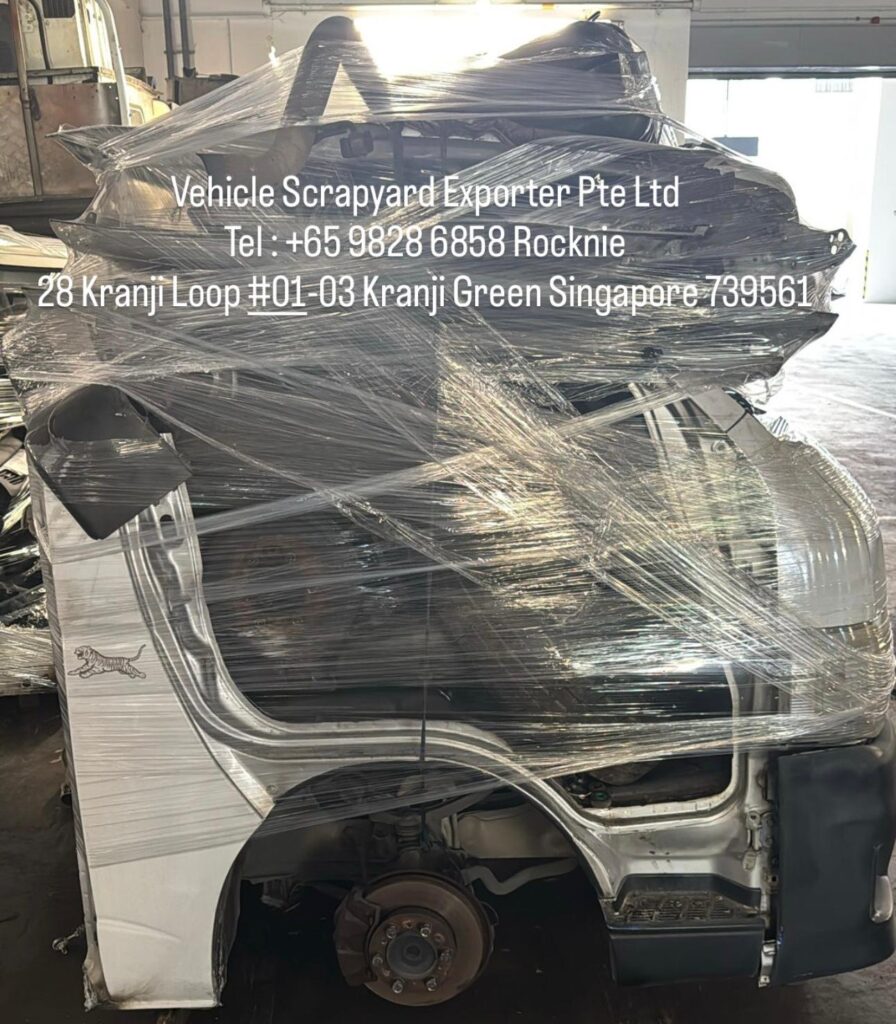
2. What Does “Trucks for Scrap” Mean?
The term “trucks for scrap” refers to commercial trucks that are:
- No longer roadworthy
- Too expensive to repair
- Near or past COE expiry
- Damaged beyond economical repair
- Replaced by newer fleet vehicles
These trucks are either dismantled for parts or exported to countries where used commercial vehicles are still in demand.
3. Types of Trucks Commonly Sent for Scrap
Different types of trucks eventually reach scrap stage, including:
Light Commercial Trucks
Used for delivery and small logistics operations.
Box Trucks
Common in courier and logistics services.
Refrigerated Trucks
Used in food transport but expensive to maintain when old.
Dump Trucks
Common in construction and earthworks.
Heavy-Duty Cargo Trucks
Used for industrial freight and long-haul transport.
Each category has different scrap and export value depending on condition and demand.
4. Signs Your Truck Should Be Scrapped
Truck owners should consider scrapping when the following signs appear:
- Frequent engine breakdowns
- Rising fuel consumption
- Gearbox or transmission failure
- High repair costs exceeding market value
- Structural rust or chassis damage
- COE renewal not financially viable
In many cases, if repair costs exceed 40% of the truck’s value, scrapping becomes the smarter option.
5. Scrap Value of Trucks Explained
The scrap value of a truck is influenced by multiple factors:
Vehicle Weight
Heavier trucks generally yield higher metal recycling value.
Condition of Parts
Working engines, gearboxes, and axles increase value.
Demand for Used Parts
Popular models often fetch higher resale or export value.
Metal Market Prices
Steel, copper, and aluminium prices directly affect scrap value.
Vehicle Age
Newer trucks typically have better export potential.
6. Export vs Scrap: What’s the Difference?
Truck owners in Singapore usually have two main options:
Scrap (Recycling)
- Vehicle is dismantled
- Materials are recycled
- Payment based on metal and parts value
Export (Resale Overseas)
- Vehicle is repaired or refurbished
- Sold to overseas markets
- Higher potential payout
Export is usually more profitable if the truck is still in usable condition.
7. Truck Scrapyard Process in Singapore
A professional scrapyard follows a structured process:
Inspection
Truck is assessed for export or scrap potential.
Valuation
Price is based on condition, weight, and market demand.
Deregistration
Owner must deregister the vehicle before disposal.
Collection
Truck is towed to scrapyard or export facility.
Dismantling or Export Prep
Either broken down for recycling or prepared for shipment.
8. Step-by-Step Truck Disposal Procedure
Step 1: Request Evaluation
Owner submits truck details for assessment.
Step 2: Receive Quotation
Scrap or export price is offered.
Step 3: Confirm Deal
Owner accepts quotation.
Step 4: Deregistration Process
Vehicle is officially removed from road registry.
Step 5: Pickup Arrangement
Truck is collected by scrapyard or exporter.
Step 6: Payment Release
Owner receives payment after handover.
9. Documents Required for Truck Scrapping
To scrap or export a truck in Singapore, you generally need:
- Vehicle log card
- Owner identification (NRIC or company documents)
- COE details
- Deregistration proof
- Export paperwork (if applicable)
Proper documentation ensures smooth processing without delays.
10. Factors That Affect Scrap Truck Pricing
Several factors determine how much your truck is worth:
- Engine condition
- Transmission functionality
- Mileage
- Vehicle brand and model
- Demand in export markets
- Current scrap metal prices
- Availability of spare parts market
Even non-running trucks may still hold value depending on parts.
11. What Happens to Trucks After Scrapping
Once a truck enters a scrapyard:
Dismantling Stage
Usable components are removed and sorted.
Recycling Stage
Metal body is crushed and processed into raw materials.
Material Recovery
Steel, aluminium, and copper are separated.
Waste Disposal
Non-recyclable materials are disposed of safely.
12. Export Market for Used Trucks
Many trucks from Singapore are exported to countries where demand for affordable commercial vehicles is high.
Common export regions include:
- Southeast Asia
- South Asia
- Africa
Export buyers often refurbish trucks for continued commercial use, making export a strong alternative to scrapping.
13. How to Maximise Scrap Value
To get the best price for trucks for scrap, owners should:
- Get multiple quotations
- Sell before severe mechanical failure
- Consider export value before scrapping
- Maintain service records
- Remove branding and company decals early
Export offers are often significantly higher than scrap-only value.
14. Common Mistakes Truck Owners Make
Many owners reduce their returns by:
- Waiting too long to scrap
- Accepting first offer without comparison
- Ignoring export opportunities
- Not preparing documents in advance
- Letting vehicles deteriorate fully before selling
Planning ahead can increase returns significantly.
15. Conclusion
Trucks for scrap in Singapore still hold strong financial value when handled correctly. Whether through recycling or export, commercial truck owners can recover a meaningful portion of their asset value if they understand the process and choose the right disposal method.
For owners looking for efficient disposal, export options, and competitive pricing, working with a professional service like our scrap yard ensures proper handling, compliance, and better value recovery for end-of-life trucks.