Scrapping a car in Singapore involves more than handing over your vehicle keys. Before your car can be deregistered and sent for scrapping or export, you need to prepare the relevant documents, verify your vehicle details, and follow the applicable procedures.
Having the right paperwork ready can reduce delays, prevent unnecessary trips, and help you complete the process more smoothly. Whether your vehicle is reaching the end of its Certificate of Entitlement (COE), has become too expensive to maintain, or is no longer suitable for your needs, understanding the documentation requirements is an important first step.
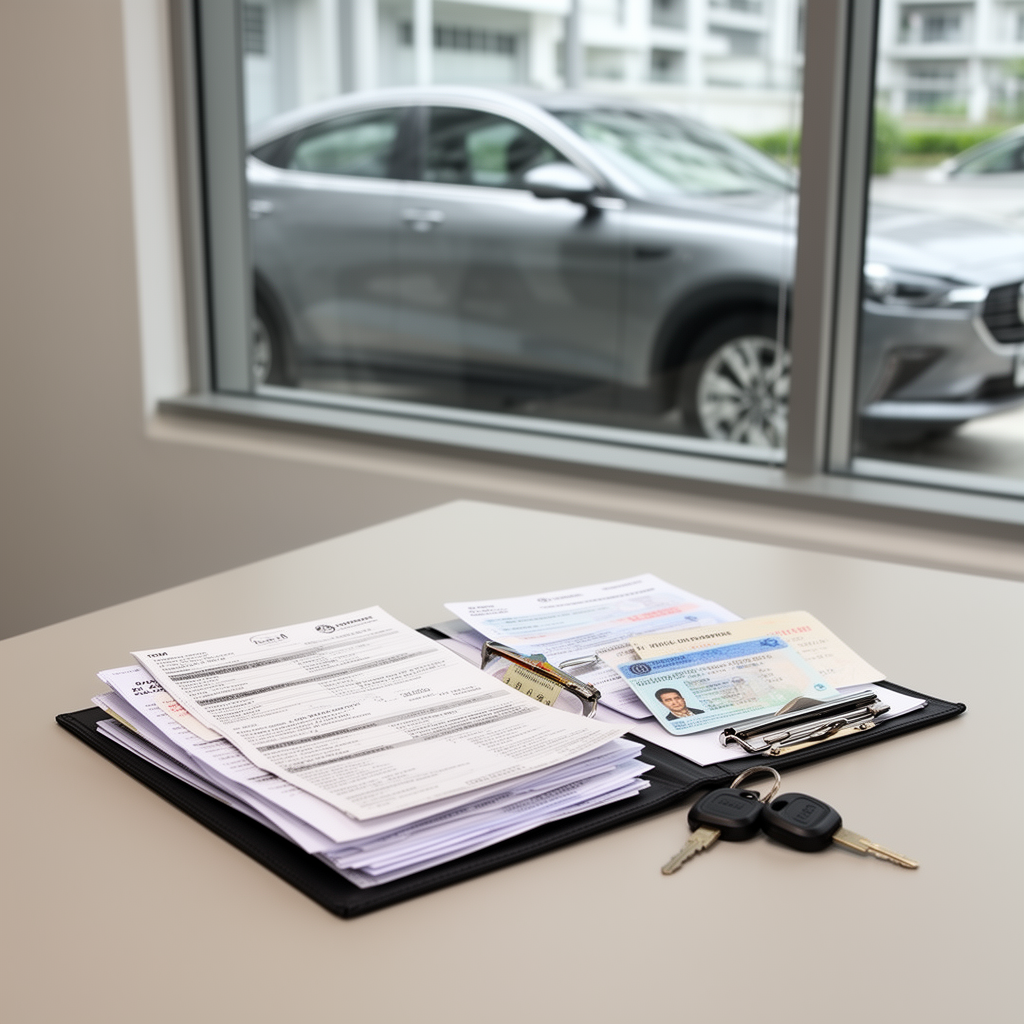
This guide explains the documents you should prepare, what to check before handing over your vehicle, and how to avoid common mistakes when arranging car scrapping in Singapore.
Table of Contents
- Why Documents Are Important When Scrapping a Car
- Essential Documents to Prepare
- What If You Are Not the Registered Owner?
- Documents and Details to Check Before Deregistration
- Understanding Vehicle Deregistration and Scrap Proceeds
- Common Documentation Mistakes to Avoid
- How to Prepare for a Smooth Car Scrapping Process
- Frequently Asked Questions
- Conclusion
1. Why Documents Are Important When Scrapping a Car
In Singapore, vehicle scrapping is connected to the official deregistration process. The relevant vehicle details and ownership information must be verified before the process can be completed.
Documents help establish that you have the authority to arrange the disposal of the vehicle and allow the relevant parties to check its registration details. Depending on the circumstances, additional verification or authorisation may be necessary.
Preparing your paperwork early is particularly useful if your car is approaching the end of its COE, has been involved in an accident, or needs to be removed from the road quickly.
Before making arrangements, review the car scrapping process in Singapore so you understand the general steps involved, from obtaining a quotation to completing the required formalities.
2. Essential Documents to Prepare
The exact documents required can vary according to your ownership situation, the vehicle’s status, and the method used to deregister it. The following checklist covers the key information and documents you should prepare before contacting a scrapyard or arranging deregistration.
Identification Document
Prepare a valid identification document for verification. For an individual owner, this may include a Singapore identity card or another accepted identification document, depending on the transaction requirements.
If the vehicle is registered under a business, the company representative may need to provide identification and evidence that they are authorised to act on behalf of the company.
Check the acceptance requirements with the relevant service provider before your appointment. Do not assume that a photocopy or digital image will be accepted in every situation.
Vehicle Registration Details
Have your vehicle registration number and registration information readily available. These details help the relevant parties identify the correct vehicle and verify its status.
You should also check that the vehicle details you provide match the official records. Errors in the registration number or other information can cause avoidable delays.
If you cannot locate a physical vehicle document, check the current requirements with the Land Transport Authority (LTA) or the party handling your transaction rather than assuming that the original document is always required.
Proof of Ownership or Authority to Act
The registered owner must generally be able to establish their authority over the vehicle. The required verification may depend on whether the car is registered to an individual, a company, or another legal entity.
If you are acting on behalf of the registered owner, ask in advance whether a letter of authorisation, supporting identification, or other documentation is needed.
For company-owned vehicles, confirm who is authorised to approve the disposal and sign the relevant documents.
Bank or Payment Details
If you expect to receive payment from the transaction or eligible deregistration proceeds, confirm the payment method and information required.
Depending on the arrangement, you may need to provide account details or complete a payment-related form. Use only the payment instructions provided by the relevant authority or legitimate transaction provider.
Do not assume that every component of the vehicle’s value will be paid by the same party. The scrapyard’s offer and any eligible government-administered rebates or refunds may be separate matters.
Authorisation Forms and Transaction Documents
You may need to complete forms or declarations relating to vehicle disposal, deregistration, collection, or payment.
Read the documents carefully before signing. Check that the vehicle registration number, agreed amount, payment terms, collection arrangements, and other important details are correct.
Ask for copies of relevant agreements and receipts for your records.
Important: This checklist is a preparation guide, not an official exhaustive list. Confirm the current requirements directly with LTA and the appointed scrapyard or authorised exporter before proceeding, as procedures and accepted documents can change.
3. What If You Are Not the Registered Owner?
Not every person arranging car scrapping is the registered owner. You may be helping a family member, managing a company vehicle, or handling the disposal of a car on behalf of another party.
In these situations, confirm the authorisation requirements before scheduling collection.
Scrapping a Family Member’s Car
If you are helping a relative, do not assume that being a family member automatically gives you authority to complete the transaction. The registered owner may need to participate in the process or provide formal authorisation.
Contact the service provider beforehand and ask what documentation is accepted when the owner cannot attend in person.
Scrapping a Company Car
For a company-owned vehicle, check the business’s internal approval process and determine who can sign the relevant documents.
The appointed representative may need to provide company information, identification, or written authorisation. Preparing these details in advance can prevent delays caused by missing approvals.
Handling a Deceased Owner’s Vehicle
If the registered owner has passed away, additional estate-related documentation may be necessary. The person managing the estate should confirm the correct procedure with the relevant authorities before attempting to transfer, deregister, or dispose of the vehicle.
Because these situations can involve legal authority and estate administration, avoid relying on a standard individual-owner checklist alone.
4. Documents and Details to Check Before Deregistration
Preparing the paperwork is only one part of the process. You should also verify the vehicle’s status and make sure that important details have been checked before committing to a transaction.
Check the Vehicle’s COE and Registration Status
Your vehicle’s COE and registration details may affect the financial considerations surrounding deregistration. Review the available official information so you understand the relevant deadlines and any applicable eligibility conditions.
Do not rely solely on the car’s age or an estimated scrap price when deciding what to do next.
Confirm Outstanding Financial Arrangements
If the vehicle is subject to financing, hire purchase, or another arrangement that affects ownership or disposal, contact the relevant finance provider before proceeding.
You should establish whether outstanding obligations need to be settled and whether any release or additional documentation is required.
Confirm the Scrapyard’s Offer in Writing
Before handing over the car, ask for a clear breakdown of the amount offered and the conditions attached to the transaction.
Clarify whether the offer includes collection, whether any deductions may apply, and when payment is expected. Keep the written quotation or agreement for reference.
For more guidance, review how to maximise your car’s scrap value in Singapore and compare offers based on the full terms rather than looking at the headline amount alone.
Check the Deregistration Arrangements
Confirm who will handle the deregistration procedure and what action you must take personally. Do not assume that handing the vehicle to a third party automatically completes every official requirement.
Refer to LTA’s current instructions for the applicable process and deadlines. Keep any confirmation or supporting records provided when the procedure is completed.
5. Understanding Vehicle Deregistration and Scrap Proceeds
Car owners sometimes confuse the scrapyard’s payment with the rebates or refunds that may be available following deregistration.
These are not necessarily the same thing.
A scrapyard may offer payment based on the vehicle’s condition, reusable parts, metal value, or other commercial considerations. Separately, eligible vehicle owners may qualify for applicable rebates or refunds under the relevant government rules.
Eligibility, calculation methods, and claim procedures depend on the vehicle and current regulations. Do not assume that every owner will receive the same amount or qualify for every benefit.
Before accepting an offer, ask the scrapyard to explain what its quoted payment covers. Then verify any separate deregistration-related benefits through official LTA information.
This distinction helps you evaluate the overall financial outcome more accurately and reduces the risk of misunderstanding the amount you should expect to receive.
6. Common Documentation Mistakes to Avoid
Several preventable mistakes can slow down the scrapping process.
Providing Incorrect Vehicle Details
Double-check the vehicle registration number and other details before submitting forms or accepting a written agreement. Even a small error can require corrections.
Assuming Authorisation Is Not Necessary
If you are not the registered owner, confirm what permission or supporting documents are needed. Make these arrangements before the collection date.
Signing Documents Without Reading Them
Review the payment amount, responsibilities, collection arrangements, and any stated conditions. Ask for clarification if something is unclear.
Leaving Verification Until the Last Minute
Do not wait until the car is scheduled for collection to discover that an additional document or approval is required. Contact the relevant parties early and ask for a complete list of requirements for your specific situation.
Failing to Keep Copies
Keep copies of quotations, agreements, receipts, relevant correspondence, and official confirmations. These records may be useful if you need to clarify a payment or verify that a particular step has been completed.
7. How to Prepare for a Smooth Car Scrapping Process
A simple preparation routine can make the process easier.
First, gather your identification and vehicle registration details. Next, confirm your authority to act and ask whether any additional documents are required for your particular circumstances.
Then compare quotations and check the conditions attached to each offer. Make sure you understand the collection arrangements, payment terms, and responsibilities for completing deregistration.
Before releasing the vehicle, remove personal belongings and check the car for documents, valuables, and items connected to your daily use. Remove personal information from any devices or accessories that will remain in the car.
Finally, keep the paperwork and confirmation records together in one folder. If you are uncertain about any official requirement, verify it with LTA or the relevant authorised service provider instead of relying on assumptions.
For further preparation, read how to choose a car scrap yard to understand what to look for when comparing service providers.
8. Frequently Asked Questions
Do I need the original vehicle registration document to scrap my car?
Requirements can depend on the current procedure and your vehicle’s circumstances. Confirm the accepted documentation with LTA or the party handling deregistration before your appointment.
Can I scrap a car on behalf of someone else?
It may be possible, but you should confirm the required authorisation and supporting documents in advance. The registered owner or an appropriately authorised representative must meet the applicable requirements.
What documents are needed for a company-owned car?
The requirements may include vehicle details, identification for the representative, and evidence of authority to act for the company. Ask the relevant service provider for a checklist based on your company’s situation.
Will I receive my scrap payment immediately?
Payment timing depends on the transaction terms and the parties involved. Ask for the payment schedule in writing and clarify whether any separate rebates or refunds follow a different process.
Where can I confirm the latest official requirements?
Check the Land Transport Authority’s official website at https://www.lta.gov.sg/ for current vehicle deregistration information. You should also confirm any transaction-specific requirements directly with your appointed scrapyard or authorised exporter.
9. Conclusion
Preparing the correct documents is an important part of scrapping a car in Singapore. Identification, vehicle registration details, proof of authority, payment information, and any required forms should be checked before you arrange collection or proceed with deregistration.
The exact requirements may differ depending on the registered owner, the vehicle’s status, and the transaction arrangements. Confirm the current rules with LTA and your appointed service provider, and keep written records of quotations, agreements, payments, and official confirmations.
With the paperwork organised and the terms clearly understood, you can approach the process more confidently, reduce avoidable delays, and make a better-informed decision about your vehicle’s next step.
Related Articles: