Table of Contents
- Introduction: The Role of Scrapyards in Singapore
- What Is a Scrapyard in Singapore?
- Types of Scrapyards in Singapore
- Vehicle Scrapping in Singapore (2026 Update)
- Metal Recycling Services and Accepted Materials
- How Scrap Metal Pricing Works in 2026
- Sustainability and Environmental Impact
- Regulations and Compliance Requirements
- How to Choose the Right Scrapyard
- The Future of Scrapyards in Singapore
- Conclusion
1. Introduction: The Role of Scrapyards in Singapore
As Singapore continues to advance toward a greener and more resource‑efficient economy, scrapyards remain a critical part of the nation’s sustainability ecosystem. In 2026, scrapyards in Singapore are no longer viewed simply as places for waste disposal. Instead, they serve as structured recycling hubs that recover valuable materials, reduce landfill pressure, and support circular economy goals.
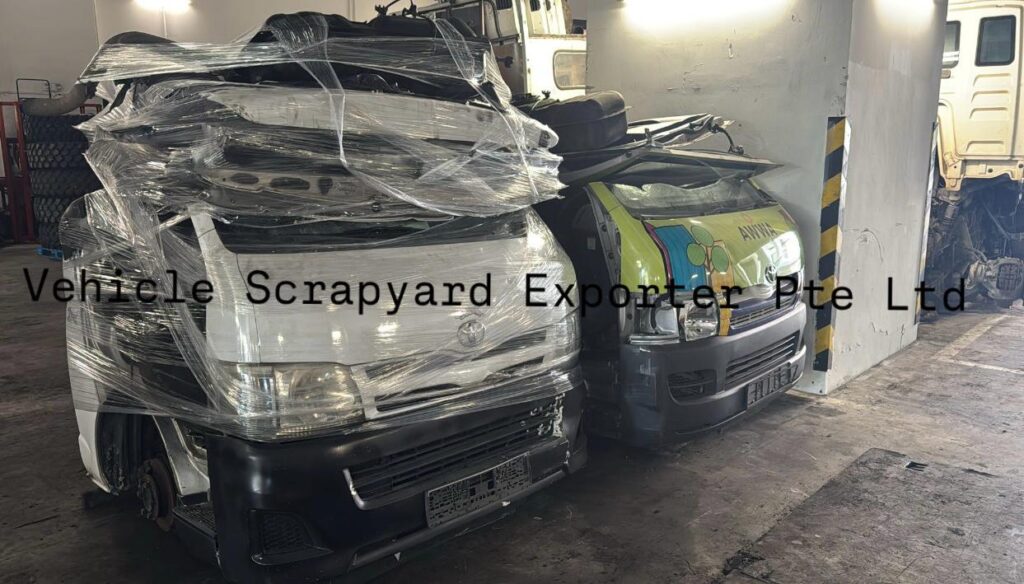
From metal recycling to vehicle scrapping, scrapyards help individuals, construction firms, manufacturers, and logistics companies responsibly manage end‑of‑life materials. With stricter environmental regulations and higher awareness of sustainability, the scrapyard industry has become more organised, regulated, and technologically driven.
2. What Is a Scrapyard in Singapore?
A scrapyard in Singapore is a licensed facility that collects, sorts, processes, and resells recyclable materials. These materials typically include ferrous and non‑ferrous metals, decommissioned machinery, industrial waste, and end‑of‑life vehicles.
Instead of sending these materials to landfills or incineration plants, scrapyards recover usable resources and return them to the manufacturing supply chain. This process significantly reduces the need for raw material extraction and lowers overall carbon emissions.
Scrapyards in Singapore operate under strict environmental and safety regulations, ensuring proper handling of hazardous materials, controlled processing methods, and accurate documentation.
3. Types of Scrapyards in Singapore
In 2026, scrapyards in Singapore generally fall into two main categories:
Metal Scrapyards
Metal scrapyards focus on collecting and recycling metals from construction sites, factories, renovation projects, and households. These yards handle everything from steel beams and copper cables to aluminium frames and brass components.
Vehicle Scrapyards
Vehicle scrapyards specialise in scrapping end‑of‑life cars, vans, trucks, and motorcycles. These facilities dismantle vehicles, recover reusable parts, and recycle metal components while ensuring all legal requirements are met.
Some scrapyards operate as hybrid facilities, offering both metal recycling and vehicle scrapping services.
4. Vehicle Scrapping in Singapore (2026 Update)
Vehicle scrapping is one of the most common reasons people engage with scrapyards in Singapore. Due to high vehicle ownership costs and strict regulations, most vehicles are scrapped once they reach the end of their usable life.
In 2026, authorised scrapyards typically provide a full service that includes:
- Vehicle inspection and valuation
- LTA deregistration handling
- COE and PARF rebate processing
- Safe dismantling and recycling
- Payment upon completion
Scrapping a vehicle through an authorised scrapyard ensures compliance with Singapore laws and prevents legal or financial penalties. It also ensures that hazardous fluids and components are handled safely and responsibly.
5. Metal Recycling Services and Accepted Materials
Metal recycling remains a core service offered by scrapyards across Singapore. Commonly accepted materials include:
- Steel and iron from construction and demolition projects
- Copper wiring and piping
- Aluminium frames, panels, and cans
- Brass fittings and components
- Stainless steel equipment
Some scrapyards also accept industrial scrap such as factory machinery, ship parts, and large‑scale metal structures. Materials are usually weighed on site, sorted by type, and priced according to current market rates.
For businesses, regular scrap collection services may be available, helping companies manage waste efficiently while recovering value from unused materials.
6. How Scrap Metal Pricing Works in 2026
Scrap metal prices in Singapore fluctuate based on global commodity markets, supply and demand, and metal purity. In general:
- Non‑ferrous metals such as copper and aluminium command higher prices
- Clean, sorted scrap receives better rates than mixed or contaminated materials
- Bulk quantities typically receive more competitive pricing
In 2026, many scrapyards use digital weighing systems and transparent pricing models, allowing sellers to clearly understand how their scrap value is calculated. Comparing quotes from multiple scrapyards is still a recommended practice to ensure fair pricing.
7. Sustainability and Environmental Impact
Scrapyards play a major role in reducing Singapore’s environmental footprint. Recycling metals consumes significantly less energy than producing metals from raw ores, resulting in lower greenhouse gas emissions.
By diverting waste from landfills and incinerators, scrapyards help conserve limited land resources. Vehicle scrapyards also prevent toxic substances such as engine oil, coolant, and battery chemicals from contaminating soil and water.
In 2026, sustainability is no longer optional. Many scrapyards actively invest in cleaner processing equipment, improved waste separation systems, and environmentally responsible disposal methods.
8. Regulations and Compliance Requirements
Scrapyards in Singapore must comply with regulations set by authorities such as the National Environment Agency and the Land Transport Authority. These regulations cover:
- Licensing and operational standards
- Environmental protection measures
- Safe handling of hazardous materials
- Accurate documentation and reporting
For sellers, using a licensed scrapyard is essential. Improper disposal of vehicles or industrial waste can result in fines, legal action, or business penalties.
9. How to Choose the Right Scrapyard
When selecting a scrapyard in Singapore, consider the following factors:
- Valid operating licenses
- Transparent pricing and weighing methods
- Clear documentation and receipts
- Experience with your specific type of scrap
- Environmental and safety practices
Businesses should also evaluate whether the scrapyard can support long‑term partnerships, scheduled collections, and large‑volume processing.
10. The Future of Scrapyards in Singapore
Looking ahead, scrapyards in Singapore are expected to become even more technologically advanced. Automation, digital tracking, and improved recycling techniques will increase efficiency and recovery rates.
As sustainability regulations tighten and resource costs rise, scrapyards will remain essential infrastructure supporting construction, manufacturing, and transportation industries. Public awareness of recycling benefits is also likely to drive higher participation from individuals and small businesses.
11. Conclusion
In 2026, scrapyards in Singapore are far more than waste collection points. They are key contributors to sustainability, resource recovery, and environmental protection. Whether you are scrapping a vehicle, recycling industrial metal, or managing construction waste, choosing the right scrapyard ensures legal compliance, environmental responsibility, and financial value.
As Singapore continues its journey toward a circular economy, scrapyards will remain an indispensable part of the nation’s green future.