If you are planning to dispose of an old vehicle in Singapore, one of the first questions you may have is: how much is my car worth when I scrap it?
The answer is not as simple as looking at the age or condition of the vehicle. The amount you may receive when deregistering a vehicle can depend on several factors, including the vehicle’s prevailing market values, remaining ownership-related benefits, and the value offered by the party handling the vehicle.
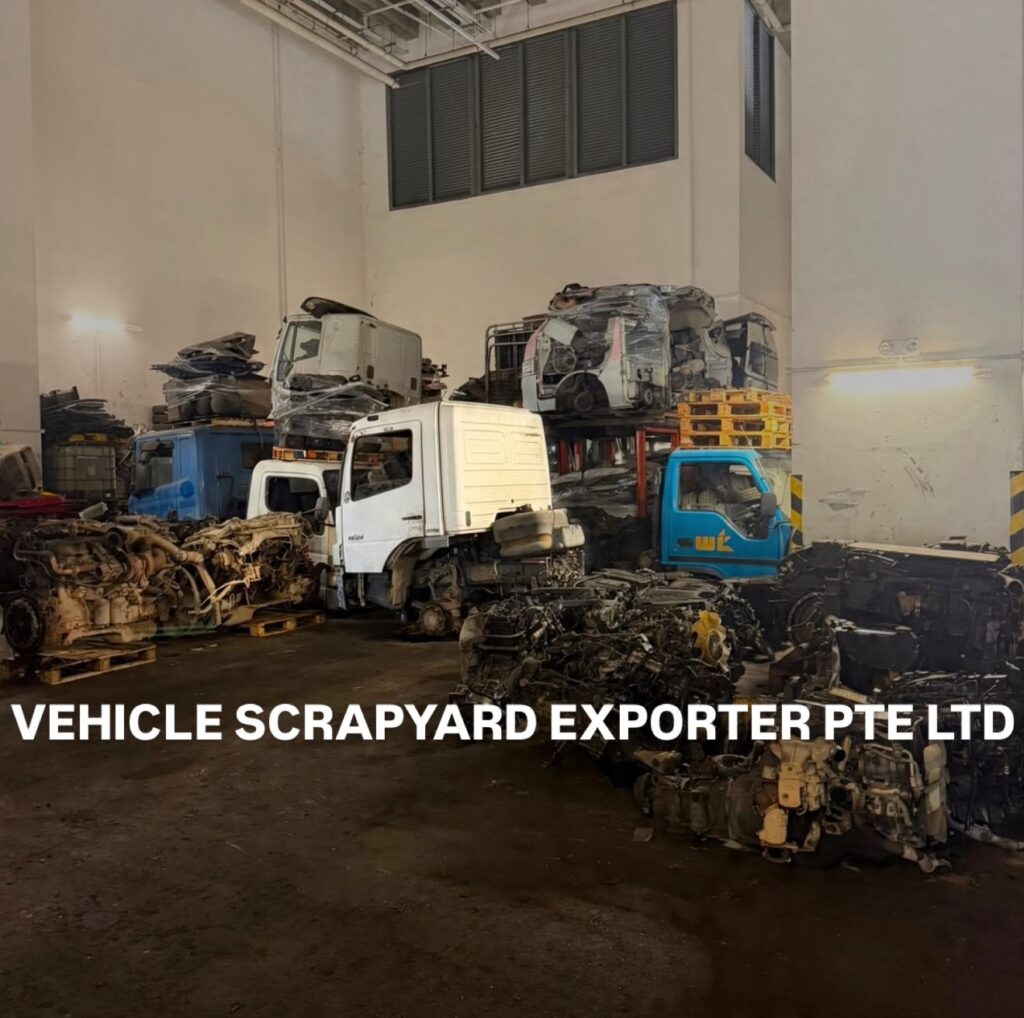
Understanding how car scrap value in Singapore is determined can help vehicle owners make more informed decisions and compare their options before proceeding.
Whether you own an ageing family car, a commercial vehicle or a vehicle approaching the end of its Certificate of Entitlement (COE), knowing what affects its value can make the scrapping process easier to understand.
Table of Contents
- What Is Car Scrap Value?
- Vehicle Age and Remaining COE
- COE and Vehicle Deregistration Value
- PARF and Cars Eligible for Rebates
- Vehicle Make, Model and Condition
- Scrap Metal and Vehicle Weight
- Demand for Used Parts
- Complete Vehicle vs Individual Components
- Why Scrap Offers Can Differ
- How to Get a Better Scrap Offer
- Questions to Ask Before Scrapping Your Car
- Final Thoughts
1. What Is Car Scrap Value?
The term car scrap value can refer to the amount a vehicle is worth when it is being disposed of rather than sold as a normal used car.
However, vehicle owners should distinguish between the value of the physical vehicle and other amounts that may be associated with deregistering it.
A vehicle may have value from several sources, including:
- Recyclable metal
- Reusable vehicle components
- Spare parts
- Remaining vehicle-related benefits
- COE-related value
- Applicable deregistration rebates
The exact amount depends on the individual vehicle and the circumstances surrounding its deregistration.
This means that a car with a low physical scrap value may still have other financial considerations that affect the total amount a vehicle owner receives.
2. Vehicle Age and Remaining COE
The age of a vehicle is an important consideration when deciding whether to scrap or continue using it.
As a vehicle approaches the end of its COE period, owners may begin comparing the cost of continued ownership with the potential value of deregistering the vehicle.
The remaining COE period can be particularly relevant because the vehicle’s ownership status and deregistration timing may affect the rebates or values associated with the vehicle.
Owners should therefore avoid looking only at the physical scrap value of the car.
Instead, consider the complete financial picture before making a decision.
For some vehicles, deregistering earlier may make financial sense, while others may still be suitable for continued use.
3. COE and Vehicle Deregistration Value
COE is one of the most important considerations when discussing the value of older vehicles in Singapore.
When a vehicle is deregistered, there may be a COE rebate depending on the circumstances and remaining period.
The calculation of any applicable rebate follows the relevant rules and conditions, rather than simply being the amount originally paid for the COE.
This is why vehicle owners should not assume that the amount they paid for their COE represents the amount they will receive when the vehicle is deregistered.
Before making a decision, check the latest requirements and calculations applicable to your vehicle.
A professional vehicle scrapyard or exporter can also help explain the practical process involved in handling the vehicle.
4. PARF and Cars Eligible for Rebates
Another factor that can affect the financial outcome of deregistering a car is the Preferential Additional Registration Fee (PARF) rebate.
Not every vehicle will qualify for the same PARF rebate.
Eligibility and the applicable amount depend on factors such as the vehicle’s age and registration circumstances.
Older vehicles may no longer qualify for PARF benefits even though they can still have physical scrap value.
This is an important distinction because vehicle owners sometimes use the words “scrap value” and “deregistration value” interchangeably.
They are not necessarily the same thing.
When calculating the financial value of an old car, consider all applicable components rather than focusing only on the amount offered for the physical vehicle.
5. Vehicle Make, Model and Condition
The physical condition of a vehicle can also influence what a scrapyard or vehicle buyer is willing to offer.
A vehicle that is complete and contains many reusable components may have greater practical value than one that is heavily damaged or missing major parts.
Factors that may be considered include:
- Engine condition
- Transmission
- Body condition
- Interior condition
- Wheels and tyres
- Electrical components
- Vehicle completeness
- Accident damage
The make and model can also influence the demand for particular components.
Some vehicles may have parts that are easier to resell or reuse, while other models may have relatively limited demand.
Therefore, two cars of similar age and weight can potentially have different physical values.
6. Scrap Metal and Vehicle Weight
A significant portion of an end-of-life vehicle consists of recyclable materials.
Metals such as steel and aluminium can be recovered during vehicle dismantling and recycling.
Vehicle weight can therefore be relevant when determining the physical scrap value of a car.
However, it is important not to assume that the value of a vehicle is simply its total weight multiplied by the current price of scrap metal.
A vehicle contains many different materials and components, and processing costs are involved in dismantling, sorting and recycling them.
The condition and usability of individual components can also influence the overall value.
For this reason, a professional assessment is generally more useful than attempting to calculate the vehicle’s value based solely on its weight.
7. Demand for Used Parts
A vehicle can have value beyond its recyclable metal.
Some components may be removed and reused as replacement parts.
Depending on the vehicle, these can include:
- Engines
- Gearboxes
- Alternators
- Starters
- Body panels
- Headlights
- Tail lights
- Wheels
- Interior components
- Electronic components
The demand for these parts can affect the value of the vehicle to a scrapyard or vehicle exporter.
A relatively old vehicle may still contain useful components that can be reused elsewhere.
This is one reason why the vehicle’s make, model and condition can be relevant when an offer is calculated.
8. Complete Vehicle vs Individual Components
A vehicle that is brought to a scrapyard as a complete unit can be easier to assess than one that has already had important components removed.
If an owner removes valuable parts before disposing of the vehicle, the remaining vehicle may have a lower overall value.
There can also be practical and safety considerations associated with dismantling a vehicle.
For most owners, it is preferable to discuss the vehicle’s condition with the scrapyard or exporter before removing components.
The buyer can then determine whether the vehicle is more suitable for recycling, parts recovery or another form of disposal.
9. Why Scrap Offers Can Differ
Vehicle owners may receive different offers from different companies.
This does not necessarily mean that one party has calculated the value incorrectly.
Businesses may have different operating costs, processing arrangements, demand for parts and recycling channels.
For example, one company may have stronger demand for certain used components, while another may focus more heavily on metal recycling or vehicle export.
Transportation and collection arrangements can also affect the final offer.
When comparing quotations, look beyond the headline figure.
Ask what is included and whether there are additional charges associated with collection, transportation or processing.
10. How to Get a Better Scrap Offer
There are several practical steps you can take before requesting a quotation.
First, prepare accurate information about your vehicle.
This may include:
- Make and model
- Registration details
- Vehicle age
- COE expiry
- Vehicle condition
- Accident history
- Current location
- Whether the vehicle is complete and operational
Take clear photographs if requested.
Images showing the exterior, interior and major damage can help a buyer understand the vehicle’s condition before arranging an inspection.
You should also compare quotations from reputable vehicle scrapyards or exporters rather than accepting the first offer without checking your alternatives.
Most importantly, understand the difference between the physical scrap value and other applicable deregistration-related amounts.
11. Questions to Ask Before Scrapping Your Car
Before agreeing to scrap a vehicle, ask the company a few basic questions.
For example:
What is included in the quoted amount?
Find out whether the quotation refers only to the physical vehicle or includes other components of the transaction.
Is vehicle collection included?
If the vehicle cannot be driven, clarify whether transportation or collection is provided.
Are there additional charges?
Ask about any administrative, transportation or processing costs.
What documents are required?
Having the correct documents can make the process smoother.
What happens to the vehicle after collection?
A reputable operator should be able to explain whether the vehicle will be dismantled, recycled, exported or processed through another appropriate channel.
Getting clear answers before agreeing can reduce misunderstandings.
12. Final Thoughts
Understanding car scrap value in Singapore requires looking at more than the physical weight of an old vehicle.
The overall value can be influenced by the vehicle’s age, COE status, applicable rebates, condition, make and model, reusable components and recyclable materials.
The financial outcome can also depend on the company handling the vehicle and its ability to recover value from parts, metal and other materials.
If you are considering scrapping an old car, do not rely on a single factor to determine whether it is worthwhile.
Instead, look at the complete picture, including the vehicle’s current condition, remaining ownership-related value and the quotation offered by the scrapyard or exporter.
Comparing options and asking the right questions before proceeding can help you make a more informed decision and avoid unexpected costs.
For vehicle owners who are unsure about their options, obtaining a professional assessment is often the most practical starting point. A proper evaluation can help you understand what your vehicle may be worth and whether scrapping, exporting or another disposal option is most suitable for your circumstances.