• Skip to primary navigation
  • Skip to main content

Vehicle Scrapyard Exporter Pte Ltd

Vehicles Scrapyard In Singapore

Scrap Yard Singapore

How to Sell Your Old Lorry or Bus for Scrap in Singapore

March 15, 2026 by admin Leave a Comment

Table of Contents

  1. Introduction
  2. Understanding the Scrap Vehicle Market
  3. Lorries, Buses, and Prime Movers: What Can Be Scrapped
  4. Benefits of Selling Your Vehicle to a Scrap Yard
  5. How to Choose a Reliable Scrap Yard
  6. Steps to Prepare Your Vehicle for Scrapping
  7. Common Mistakes to Avoid When Selling for Scrap
  8. Conclusion

Introduction

Disposing of old commercial vehicles like lorries, buses, or prime movers can be a daunting task. Selling them for scrap is a practical solution, allowing you to recover some value while freeing up space. Understanding the process ensures a smooth and profitable transaction.
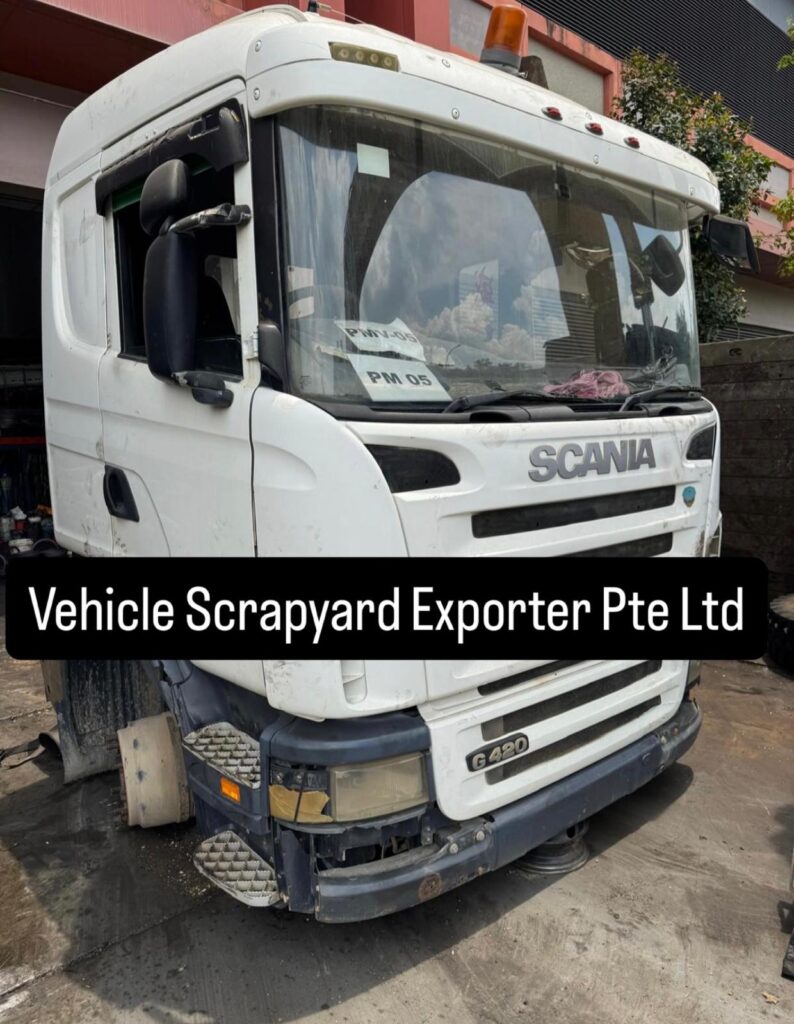
How to Sell Your Old Lorry or Bus for Scrap in Singapore

For trusted services, you can contact a reliable scrapyard to handle your vehicle professionally.


Understanding the Scrap Vehicle Market

Singapore has a growing demand for scrap vehicles due to recycling and metal reuse. Types of vehicles commonly scrapped include:

  • Lorries to scrap – old or damaged trucks
  • Scrap lorries – heavy-duty vehicles at the end of their lifespan
  • Buses for scrap – public transport vehicles that are no longer roadworthy
  • Prime movers for scrap – used in logistics and haulage
  • Trucks for scrap – light to medium commercial vehicles

The market values vehicles based on weight, condition, and metal content.


Benefits of Selling Your Vehicle to a Scrap Yard

  • Quick cash for old or unusable vehicles
  • Environmentally friendly – metals and parts are recycled
  • Space saving – removes clutter from your property
  • Compliance – ensures proper disposal in line with Singapore regulations

How to Choose a Reliable Scrap Yard

When selecting a scrap yard, consider:

  • Licensing and certification – ensures legal compliance
  • Transparent valuation – fair pricing for your vehicle
  • Pickup and transport services – convenient for large vehicles like buses and prime movers
  • Reputation – read reviews or ask for references

A professional scrapyard provides all these services and guarantees a hassle-free process.


Steps to Prepare Your Vehicle for Scrapping

  1. Remove personal belongings from the vehicle
  2. Drain fluids – petrol, diesel, and oil for safety
  3. Remove valuable parts – tires, batteries, electronics, or parts you want to sell separately
  4. Document ownership – have registration and proof of ownership ready

Proper preparation helps maximize the scrap value and speeds up the process.


Common Mistakes to Avoid When Selling for Scrap

  • Selling without comparing quotes from multiple scrap yards
  • Not removing valuables, leading to disputes
  • Choosing an unlicensed scrapyard, risking fines or illegal practices
  • Delaying scrapping, which can reduce resale value

Conclusion

Whether it’s a lorry, bus, prime mover, or truck, selling your old commercial vehicle for scrap is both environmentally responsible and financially beneficial. Working with a professional scrapyard ensures safety, legality, and fair value, making the process smooth and stress-free.
Filed Under: Scrap Yard Singapore

Scrap Metal Recycling in Singapore 2026: How Businesses and Individuals Turn Waste Into Value

February 16, 2026 by admin Leave a Comment

Table of Contents

  1. Introduction: Why Scrap Metal Recycling Matters in 2026
  2. Understanding Scrap Metal Recycling in Singapore
  3. Common Sources of Scrap Metal
  4. Ferrous vs Non-Ferrous Metals Explained
  5. The Scrap Metal Recycling Process
  6. Benefits of Scrap Metal Recycling
  7. Scrap Collection and Logistics Services
  8. Legal and Environmental Responsibilities
  9. Choosing a Reliable Scrap Metal Recycler
  10. How Scrap Metal Recycling Supports the Circular Economy
  11. Conclusion

1. Introduction: Why Scrap Metal Recycling Matters in 2026

In 2026, scrap metal recycling in Singapore has become an essential activity for both businesses and individuals. With limited land space, rising material costs, and increasing environmental responsibility, recycling metal waste is no longer optional—it is a practical and economic necessity.

Scrap Metal Recycling in Singapore 2026: How Businesses and Individuals Turn Waste Into Value

This article complements the broader discussion on scrapyards in Singapore by focusing specifically on scrap metal recycling. While scrapyards serve as central processing hubs, metal recycling represents the operational backbone that transforms discarded materials into reusable resources. Together, they form a critical pillar of Singapore’s circular economy.


2. Understanding Scrap Metal Recycling in Singapore

Scrap metal recycling involves collecting discarded metal items, processing them, and reintroducing them into manufacturing and construction supply chains. In Singapore, this process is handled primarily by licensed scrapyards and metal recycling facilities.

Recyclers accept scrap from a wide range of sources, including industrial operations, construction sites, renovation projects, warehouses, and households. Metals are sorted, cleaned, processed, and prepared for reuse either locally or for export to regional manufacturing partners.

Scrap metal recycling reduces dependency on imported raw materials and helps stabilise material supply for key industries.


3. Common Sources of Scrap Metal

Scrap metal in Singapore originates from many everyday and industrial activities. Common sources include:

  • Construction and demolition projects producing steel bars and beams
  • Renovation works generating aluminium frames and metal fittings
  • Manufacturing facilities replacing or upgrading machinery
  • Warehouses clearing unused shelving or racking systems
  • Households disposing of old appliances and fixtures

Vehicles scrapped at authorised scrapyards also contribute a significant volume of recyclable metal, linking vehicle disposal services directly with the scrap metal recycling ecosystem.


4. Ferrous vs Non-Ferrous Metals Explained

Understanding metal types helps sellers maximise value when recycling scrap.

Ferrous Metals

Ferrous metals contain iron and are magnetic. Common examples include structural steel, cast iron, and industrial machinery parts. These metals are widely used in construction and manufacturing and are usually recycled in large volumes.

Non-Ferrous Metals

Non-ferrous metals do not contain iron and are typically more valuable. Examples include copper, aluminium, brass, and stainless steel. These metals are prized for their conductivity, corrosion resistance, and lightweight properties.

Separating ferrous and non-ferrous metals before selling can significantly improve pricing and processing efficiency.


5. The Scrap Metal Recycling Process

Scrap metal recycling in Singapore generally follows a structured process:

  1. Collection – Scrap is delivered to a scrapyard or collected directly from the seller’s site.
  2. Sorting – Metals are separated by type, size, and quality.
  3. Processing – Materials may be cut, shredded, or compressed for easier handling.
  4. Weighing and Pricing – Processed scrap is weighed and priced based on market rates.
  5. Distribution – Recycled metal is sold to manufacturers or exported for further use.

Modern scrapyards increasingly use digital systems to improve accuracy, transparency, and traceability throughout this process.


6. Benefits of Scrap Metal Recycling

Scrap metal recycling offers multiple benefits:

  • Environmental Protection: Recycling metals uses significantly less energy than producing new metals from raw ores.
  • Economic Value: Scrap metal has resale value, turning waste into a revenue stream.
  • Waste Reduction: Recycling reduces landfill and incineration loads.
  • Resource Conservation: Valuable natural resources are preserved for future generations.

For businesses, recycling scrap metal also supports corporate sustainability goals and environmental reporting requirements.


7. Scrap Collection and Logistics Services

In 2026, many scrap metal recyclers in Singapore offer full-service logistics solutions. These may include:

  • On-site collection using specialised vehicles
  • Scheduled pickups for factories and construction sites
  • Container placement for ongoing scrap accumulation
  • Dismantling services for large equipment

These services are particularly valuable for businesses handling large volumes of scrap, allowing them to focus on operations while maintaining proper waste management practices.


8. Legal and Environmental Responsibilities

Scrap metal recycling in Singapore is governed by environmental and operational regulations. Recyclers must be licensed, and sellers are encouraged to work only with authorised facilities.

Improper disposal of industrial scrap or hazardous materials can result in fines or legal action. Working with licensed scrapyards ensures that materials are processed responsibly and in compliance with environmental standards.

This regulatory framework reinforces the importance of scrapyards as trusted intermediaries within the recycling ecosystem.


9. Choosing a Reliable Scrap Metal Recycler

When selecting a scrap metal recycler, consider:

  • Licensing and regulatory compliance
  • Transparent pricing and weighing systems
  • Experience with your type of scrap
  • Availability of collection and logistics services
  • Environmental and safety standards

Establishing a long-term relationship with a reputable recycler can improve efficiency, pricing consistency, and compliance.


10. How Scrap Metal Recycling Supports the Circular Economy

Scrap metal recycling is a core component of Singapore’s circular economy strategy. By keeping materials in use for as long as possible, recycling reduces waste and strengthens supply chains.

Scrapyard acts as central hubs where materials from multiple sources converge, are processed, and redistributed. This directly links scrap metal recycling to broader scrapyard operations, reinforcing their combined role in sustainable development.


11. Conclusion

In 2026, scrap metal recycling in Singapore is more than a waste management practice—it is a strategic activity that supports sustainability, economic efficiency, and industrial resilience.

When combined with professional scrapyard services, scrap metal recycling helps individuals and businesses turn unused materials into value while meeting environmental and legal responsibilities. Together, these systems form a foundation for Singapore’s long-term circular economy and greener future.

Filed Under: Scrap Yard Singapore

Scrapyard Singapore 2026: The Complete Guide to Metal Recycling, Car Scrapping & Sustainability

January 17, 2026 by admin Leave a Comment

Table of Contents

  1. Introduction: The Role of Scrapyards in Singapore
  2. What Is a Scrapyard in Singapore?
  3. Types of Scrapyards in Singapore
  4. Vehicle Scrapping in Singapore (2026 Update)
  5. Metal Recycling Services and Accepted Materials
  6. How Scrap Metal Pricing Works in 2026
  7. Sustainability and Environmental Impact
  8. Regulations and Compliance Requirements
  9. How to Choose the Right Scrapyard
  10. The Future of Scrapyards in Singapore
  11. Conclusion

1. Introduction: The Role of Scrapyards in Singapore

As Singapore continues to advance toward a greener and more resource‑efficient economy, scrapyards remain a critical part of the nation’s sustainability ecosystem. In 2026, scrapyards in Singapore are no longer viewed simply as places for waste disposal. Instead, they serve as structured recycling hubs that recover valuable materials, reduce landfill pressure, and support circular economy goals.

Scrapyard Singapore 2026: The Complete Guide to Metal Recycling, Car Scrapping & Sustainability

From metal recycling to vehicle scrapping, scrapyards help individuals, construction firms, manufacturers, and logistics companies responsibly manage end‑of‑life materials. With stricter environmental regulations and higher awareness of sustainability, the scrapyard industry has become more organised, regulated, and technologically driven.


2. What Is a Scrapyard in Singapore?

A scrapyard in Singapore is a licensed facility that collects, sorts, processes, and resells recyclable materials. These materials typically include ferrous and non‑ferrous metals, decommissioned machinery, industrial waste, and end‑of‑life vehicles.

Instead of sending these materials to landfills or incineration plants, scrapyards recover usable resources and return them to the manufacturing supply chain. This process significantly reduces the need for raw material extraction and lowers overall carbon emissions.

Scrapyards in Singapore operate under strict environmental and safety regulations, ensuring proper handling of hazardous materials, controlled processing methods, and accurate documentation.


3. Types of Scrapyards in Singapore

In 2026, scrapyards in Singapore generally fall into two main categories:

Metal Scrapyards

Metal scrapyards focus on collecting and recycling metals from construction sites, factories, renovation projects, and households. These yards handle everything from steel beams and copper cables to aluminium frames and brass components.

Vehicle Scrapyards

Vehicle scrapyards specialise in scrapping end‑of‑life cars, vans, trucks, and motorcycles. These facilities dismantle vehicles, recover reusable parts, and recycle metal components while ensuring all legal requirements are met.

Some scrapyards operate as hybrid facilities, offering both metal recycling and vehicle scrapping services.


4. Vehicle Scrapping in Singapore (2026 Update)

Vehicle scrapping is one of the most common reasons people engage with scrapyards in Singapore. Due to high vehicle ownership costs and strict regulations, most vehicles are scrapped once they reach the end of their usable life.

In 2026, authorised scrapyards typically provide a full service that includes:

  • Vehicle inspection and valuation
  • LTA deregistration handling
  • COE and PARF rebate processing
  • Safe dismantling and recycling
  • Payment upon completion

Scrapping a vehicle through an authorised scrapyard ensures compliance with Singapore laws and prevents legal or financial penalties. It also ensures that hazardous fluids and components are handled safely and responsibly.


5. Metal Recycling Services and Accepted Materials

Metal recycling remains a core service offered by scrapyards across Singapore. Commonly accepted materials include:

  • Steel and iron from construction and demolition projects
  • Copper wiring and piping
  • Aluminium frames, panels, and cans
  • Brass fittings and components
  • Stainless steel equipment

Some scrapyards also accept industrial scrap such as factory machinery, ship parts, and large‑scale metal structures. Materials are usually weighed on site, sorted by type, and priced according to current market rates.

For businesses, regular scrap collection services may be available, helping companies manage waste efficiently while recovering value from unused materials.


6. How Scrap Metal Pricing Works in 2026

Scrap metal prices in Singapore fluctuate based on global commodity markets, supply and demand, and metal purity. In general:

  • Non‑ferrous metals such as copper and aluminium command higher prices
  • Clean, sorted scrap receives better rates than mixed or contaminated materials
  • Bulk quantities typically receive more competitive pricing

In 2026, many scrapyards use digital weighing systems and transparent pricing models, allowing sellers to clearly understand how their scrap value is calculated. Comparing quotes from multiple scrapyards is still a recommended practice to ensure fair pricing.


7. Sustainability and Environmental Impact

Scrapyards play a major role in reducing Singapore’s environmental footprint. Recycling metals consumes significantly less energy than producing metals from raw ores, resulting in lower greenhouse gas emissions.

By diverting waste from landfills and incinerators, scrapyards help conserve limited land resources. Vehicle scrapyards also prevent toxic substances such as engine oil, coolant, and battery chemicals from contaminating soil and water.

In 2026, sustainability is no longer optional. Many scrapyards actively invest in cleaner processing equipment, improved waste separation systems, and environmentally responsible disposal methods.


8. Regulations and Compliance Requirements

Scrapyards in Singapore must comply with regulations set by authorities such as the National Environment Agency and the Land Transport Authority. These regulations cover:

  • Licensing and operational standards
  • Environmental protection measures
  • Safe handling of hazardous materials
  • Accurate documentation and reporting

For sellers, using a licensed scrapyard is essential. Improper disposal of vehicles or industrial waste can result in fines, legal action, or business penalties.


9. How to Choose the Right Scrapyard

When selecting a scrapyard in Singapore, consider the following factors:

  • Valid operating licenses
  • Transparent pricing and weighing methods
  • Clear documentation and receipts
  • Experience with your specific type of scrap
  • Environmental and safety practices

Businesses should also evaluate whether the scrapyard can support long‑term partnerships, scheduled collections, and large‑volume processing.


10. The Future of Scrapyards in Singapore

Looking ahead, scrapyards in Singapore are expected to become even more technologically advanced. Automation, digital tracking, and improved recycling techniques will increase efficiency and recovery rates.

As sustainability regulations tighten and resource costs rise, scrapyards will remain essential infrastructure supporting construction, manufacturing, and transportation industries. Public awareness of recycling benefits is also likely to drive higher participation from individuals and small businesses.


11. Conclusion

In 2026, scrapyards in Singapore are far more than waste collection points. They are key contributors to sustainability, resource recovery, and environmental protection. Whether you are scrapping a vehicle, recycling industrial metal, or managing construction waste, choosing the right scrapyard ensures legal compliance, environmental responsibility, and financial value.

As Singapore continues its journey toward a circular economy, scrapyards will remain an indispensable part of the nation’s green future.

Filed Under: Scrap Yard Singapore

Scrap or Export: Making the Right Decision for Your Vehicle in Singapore

December 16, 2025 by admin

Table of Contents

  1. Introduction
  2. Understanding Your Options: Scrapping vs Exporting
  3. Factors to Consider When Choosing
    • Vehicle Condition and Age
    • Market Value and COE Considerations
    • Environmental Impact
  4. Scrapping Your Vehicle in Singapore
    • Process Overview
    • Benefits of Scrapping
    • Choosing a Licensed Scrapyard
  5. Exporting Your Vehicle
    • Export Process
    • Market Opportunities Abroad
    • Documentation and Compliance
  6. Comparing Financial Returns
  7. Common Mistakes to Avoid
  8. Tips for Maximising Value
  9. Conclusion

1. Introduction

When it comes to retiring your vehicle in Singapore, owners often face a critical choice: should they scrap the vehicle locally or export it abroad? Both options have their advantages and considerations, depending on the type of vehicle, its age, and market demand. Making the right choice ensures that you get the maximum value while remaining compliant with Singaporean regulations.

For guidance on the scrapping process, see How to Scrap Your Car in Singapore. For insights on vehicle export, refer to Scrap or Export.

Scrap or Export: Making the Right Decision for Your Vehicle in Singapore

2. Understanding Your Options: Scrapping vs Exporting

Scrapping involves de-registering the vehicle and sending it to a licensed scrapyard where it is dismantled, and metals and parts are recycled. Exporting, on the other hand, involves selling the vehicle overseas, often to countries where older vehicles still have demand.

The choice depends on several factors including vehicle condition, potential resale value, and the ease of handling documentation.


3. Factors to Consider When Choosing

Vehicle Condition and Age

Older vehicles or those in poor condition are generally better suited for scrapping, as export buyers may be less interested in heavily used or damaged vehicles. Conversely, vehicles in good condition may fetch higher prices overseas.

Market Value and COE Considerations

The Certificate of Entitlement (COE) price plays a significant role. Vehicles with high remaining COE value may be more lucrative to export rather than scrap. Owners should weigh COE cost recovery against potential scrap proceeds.

Environmental Impact

Scrapping promotes responsible recycling and ensures that hazardous fluids and materials are handled correctly. Exporting vehicles may transfer environmental responsibility to other countries, so consider the broader impact.


4. Scrapping Your Vehicle in Singapore

Process Overview

Scrapping involves deregistration, inspection by a licensed scrapyard, and recycling of metal and parts. The scrapyard determines the vehicle’s value based on weight, type, and condition.

Benefits of Scrapping

  • Guaranteed legal compliance with Singapore regulations
  • Immediate payment from the scrapyard
  • Eco-friendly disposal and recycling of parts and metals

Choosing a Licensed Scrapyard

Select a scrapyard approved by the Land Transport Authority (LTA). Check reviews, services offered, and whether they handle all types of vehicles, from cars to lorries and vans.


5. Exporting Your Vehicle

Export Process

Exporting requires proper documentation, arranging shipping, and ensuring compliance with the importing country’s regulations. You may need to hire an export agent to facilitate the process.

Market Opportunities Abroad

Some countries have high demand for second-hand vehicles, particularly trucks, vans, and buses. Vehicles in good condition can fetch substantial resale value overseas.

Documentation and Compliance

Ensure all papers are in order, including deregistration forms, COE transfer details, and customs clearance documents. Proper compliance avoids legal issues and smoothens the sale process.


6. Comparing Financial Returns

Scrapping generally provides immediate payment but may be lower than potential export value for vehicles in good condition. Exporting can yield higher returns but involves logistics, potential delays, and additional costs such as shipping and agent fees.


7. Common Mistakes to Avoid

  • Scrapping vehicles without verifying scrapyard credentials
  • Exporting without proper documentation or knowledge of foreign regulations
  • Ignoring market trends or COE considerations, which can affect profitability

8. Tips for Maximising Value

  • Consider selling valuable parts separately before scrapping
  • Research export markets to identify high-demand vehicles
  • Monitor scrap metal prices to time your scrapping for higher returns

Reference Links:

  • How to Scrap Your Car in Singapore
  • Scrap or Export

Filed Under: Scrap Yard Singapore

A Comprehensive Guide to Scrapping Commercial Vehicles in Singapore: Lorries, Buses, and Vans

November 14, 2025 by admin

Table of Contents

  1. Introduction
  2. Understanding Commercial Vehicle Scrapping in Singapore
  3. Factors That Affect Scrap Value for Lorries, Buses, and Vans
    • Vehicle Age and Condition
    • Type and Size of Vehicle
    • Market Demand for Scrap Metal
  4. Preparing Your Commercial Vehicle for Scrapping
    • Documentation and Logbook Requirements
    • Removing Personal Items and Valuables
    • Minor Repairs and Cleaning
  5. Choosing the Right Scrapyard
    • Licensed Commercial Vehicle Scrapyards
    • Reputation, Reviews, and Services
  6. Regulatory Considerations
    • Environmental Compliance
    • Road Authority Requirements
  7. Maximising Scrap Value
    • Selling Valuable Parts Separately
    • Timing and Market Trends

1. Introduction

Scrapping commercial vehicles such as lorries, buses, and vans in Singapore requires a careful approach to ensure compliance with regulations and to maximise financial returns. Unlike private cars, commercial vehicles have different weights, parts, and operational histories, all of which can affect their scrap value. Understanding the scrapping process and market trends is crucial for owners and fleet managers.

For a detailed step-by-step guide on scrapping commercial buses, see A Comprehensive Guide to Scrapping Your Bus in Singapore. For lorries, refer to A Comprehensive Guide to Scrapping Your Truck in Singapore.

A Comprehensive Guide to Scrapping Commercial Vehicles in Singapore: Lorries, Buses, and Vans

2. Understanding Commercial Vehicle Scrapping in Singapore

Commercial vehicle scrapping involves de-registering the vehicle, transferring ownership to a licensed scrapyard, and recycling metals and parts responsibly. The process is strictly regulated to ensure environmental safety, and scrapyards follow protocols to dismantle, process, and recycle different components of commercial vehicles.

The scrap value depends on factors like vehicle weight, condition, and current market rates for scrap metal. Commercial vehicles often have higher scrap value than private cars due to their size and heavier metal content.


3. Factors That Affect Scrap Value for Lorries, Buses, and Vans

Vehicle Age and Condition

Older commercial vehicles with worn-out engines or damaged components may receive lower scrap offers. Vehicles in better mechanical condition, even if not roadworthy, can provide additional value through reusable parts.

Type and Size of Vehicle

The type of vehicle significantly impacts scrap value. Lorries and buses are heavier, providing more metal per unit and often yielding higher scrap payouts. Vans, while smaller, can still fetch competitive prices due to the value of reusable parts.

Market Demand for Scrap Metal

Fluctuations in the global scrap metal market affect the rates offered by scrapyards. Owners should be aware of market trends to time scrapping for maximum financial benefit.


4. Preparing Your Commercial Vehicle for Scrapping

Documentation and Logbook Requirements

Ensure that all relevant documentation such as logbooks, insurance papers, and any loan clearance documents are ready. Scrapyards require these for legal compliance and smooth processing.

Removing Personal Items and Valuables

Check the vehicle for personal belongings and valuable aftermarket equipment like GPS devices, radios, and tools. Removing these items can improve the safety and efficiency of the scrapping process.

Minor Repairs and Cleaning

While major repairs may not be cost-effective, cleaning the vehicle and performing minor fixes can make it more presentable and potentially increase its perceived value at the scrapyard.


5. Choosing the Right Scrapyard

Licensed Commercial Vehicle Scrapyards

Always select a scrapyard licensed to handle commercial vehicles. This ensures adherence to environmental and safety standards.

Reputation, Reviews, and Services

Research customer reviews and testimonials. A reputable scrapyard may offer additional services such as free towing, assistance with paperwork, and immediate payment, which can simplify the process.


6. Regulatory Considerations

Environmental Compliance

Scrapyards must follow strict environmental regulations to manage waste, fluids, and metals properly. Ensuring that your chosen scrapyard complies with these standards protects you from legal liabilities.

Road Authority Requirements

Commercial vehicles must be deregistered with the Land Transport Authority (LTA) or relevant authorities before scrapping. Compliance with local regulations is mandatory and ensures a smooth scrapping process.


7. Maximising Scrap Value

  • Selling Valuable Parts Separately: Components like engines, batteries, tyres, and electronics can be sold separately for additional revenue.
  • Timing and Market Trends: Keep track of scrap metal prices and market demand. Scrapping when prices are higher can significantly improve returns.

Reference Links:

  • A Comprehensive Guide to Scrapping Your Bus in Singapore
  • A Comprehensive Guide to Scrapping Your Truck in Singapore

Filed Under: Scrap Yard Singapore

Maximising Your Vehicle’s Scrap Value in Singapore: Tips for Cars, Vans, and Lorries

October 17, 2025 by admin

Table of Contents

  1. Introduction
  2. Understanding the Vehicle Scrapping Process in Singapore
  3. Factors That Affect Scrap Value
    • Vehicle Age and Condition
    • Type of Vehicle: Car, Van, or Lorry
    • Market Demand for Scrap Metal
  4. Preparing Your Vehicle for Scrapping
    • Removing Personal Items and Valuables
    • Ensuring Proper Documentation
    • Cleaning and Minor Repairs
  5. Choosing the Right Scrapyard
    • Licensed Scrapyards
    • Reputation and Reviews
    • Services Offered
  6. Negotiating the Best Price
  7. Common Mistakes to Avoid
  8. Additional Tips to Increase Value
  9. Conclusion

1. Introduction

Scrapping a vehicle in Singapore can be a practical solution for owners looking to upgrade, reduce maintenance costs, or comply with regulations. However, many car, van, and lorry owners may not realise that the scrap value of their vehicle can be maximised with the right approach. By understanding the process, preparing your vehicle properly, and selecting the right scrapyard, you can ensure you receive the best possible return.

For a detailed overview of car scrapping procedures in Singapore, refer to How to Scrap Your Car in Singapore. Additionally, tips on boosting your scrap returns are available at How to Maximise Your Car’s Scrap Value in Singapore: Tips and Tricks.

Maximising Your Vehicle’s Scrap Value in Singapore: Tips for Cars, Vans, and Lorries

2. Understanding the Vehicle Scrapping Process in Singapore

Vehicle scrapping in Singapore is regulated to ensure environmental safety and proper disposal of materials. The process involves de-registering the vehicle, transferring ownership to a licensed scrapyard, and recycling the metal and parts. The scrapyard will inspect the vehicle, determine its value based on weight, condition, and market prices, and then pay the owner.

Different vehicles—cars, vans, and lorries—have unique considerations. For instance, lorries are heavier and may fetch a higher scrap price per kilogram, while cars are more sensitive to age and condition.


3. Factors That Affect Scrap Value

Vehicle Age and Condition

Older vehicles or those in poor condition may have lower scrap value due to corrosion, worn-out parts, or reduced resale potential. Vehicles that are still operational or have valuable parts such as batteries, tyres, and engines can yield higher returns.

Type of Vehicle: Car, Van, or Lorry

The type of vehicle significantly impacts scrap value. Lorries and vans generally contain more metal and are heavier, resulting in higher scrap value compared to smaller cars. Luxury or rare vehicles might also offer components that can be sold separately for additional profit.

Market Demand for Scrap Metal

Scrap metal prices fluctuate based on global demand, which can influence how much a scrapyard is willing to pay. Staying informed about current market conditions can help you choose the optimal time to scrap your vehicle.


4. Preparing Your Vehicle for Scrapping

Proper preparation ensures maximum value from your vehicle:

Removing Personal Items and Valuables

Check the interior, trunk, glove compartment, and under the seats for personal belongings. Additionally, remove any aftermarket items such as audio systems or GPS devices, as these can be sold separately.

Ensuring Proper Documentation

Ensure that you have the vehicle’s logbook, insurance documents, and any financing or loan clearance letters. Scrapyards require proper documentation for legal and regulatory purposes.

Cleaning and Minor Repairs

While major repairs are not cost-effective, cleaning your vehicle can make it more presentable to the scrapyard, potentially improving the perceived value. Removing dirt, debris, and excess fuel can also make the scrapping process safer and more efficient.


5. Choosing the Right Scrapyard

Licensed Scrapyards

Always select a licensed scrapyard approved by Singapore authorities. This guarantees compliance with environmental and safety regulations.

Reputation and Reviews

Research online reviews, testimonials, and recommendations to identify reputable scrapyards. Positive feedback ensures reliable service and fair pricing.

Services Offered

Some scrapyards provide additional services such as free towing, scrap documentation assistance, or immediate payment. Choosing a scrapyard with these benefits can simplify the process and increase overall value.


6. Negotiating the Best Price

Even with standard scrap rates, negotiating can help you get a better deal. Compare offers from multiple scrapyards and highlight unique selling points of your vehicle, such as recent maintenance or valuable parts. Being informed about current scrap metal prices strengthens your bargaining position.


7. Common Mistakes to Avoid

  • Ignoring Documentation: Scrapping without proper paperwork can lead to legal complications.
  • Selling to Unlicensed Scrap Dealers: Avoiding licensed dealers may result in lower payouts or regulatory issues.
  • Neglecting Preparation: Failing to remove valuables or clean the vehicle can reduce its perceived value.
  • Timing Poorly: Scrapping during low market prices may lead to reduced returns.

8. Additional Tips to Increase Value

  • Consider selling valuable parts separately, such as batteries, wheels, or audio equipment.
  • Check if your vehicle qualifies for any government incentives or schemes related to COE or eco-friendly scrapping.
  • Keep track of scrap metal market trends to scrap when prices are favourable.

9. Conclusion

Maximising your vehicle’s scrap value in Singapore requires careful preparation, understanding of the market, and selecting the right scrapyard. Cars, vans, and lorries each have unique considerations, but the core principles remain: maintain documentation, prepare the vehicle, and negotiate for the best price. Following these tips ensures a smoother process and higher returns, turning your old vehicle into tangible value while contributing to environmental sustainability.

Reference Links:

  • How to Scrap Your Car in Singapore
  • How to Maximise Your Car’s Scrap Value in Singapore: Tips and Tricks

Filed Under: Scrap Yard Singapore

  • Page 1
  • Page 2
  • Page 3
  • Interim pages omitted …
  • Page 7
  • Go to Next Page »

Vehicle Scrapyard Exporter Pte Ltd
Copyright © 2026

WhatsApp us