• Skip to primary navigation
  • Skip to main content

Vehicle Scrapyard Exporter Pte Ltd

Vehicles Scrapyard In Singapore

Scrap Yard Singapore

Top Tips for Selling Your Used Lorry

June 19, 2024 by admin

Selling a used lorry

Selling a used lorry can be a daunting task, but with the right approach, you can maximize your chances of securing a great deal. Whether you’re upgrading to a newer model or simply looking to offload an old vehicle, these top tips will guide you through the process, ensuring a smooth and profitable transaction.

Top Tips for Selling Your Used Lorry

1. Prepare Your Lorry for Sale

The first step in selling your used lorry is to ensure it is in the best possible condition. A well-maintained vehicle not only attracts more buyers but also allows you to command a higher price.

  • Clean Inside and Out: A thorough cleaning can make a significant difference in your lorry’s appeal. Wash the exterior, wax the body, and clean the wheels and windows. Inside, vacuum the carpets, clean the seats, and wipe down all surfaces.
  • Minor Repairs and Maintenance: Address any minor issues such as replacing burnt-out bulbs, fixing small dents, and topping up fluids. Consider having a mechanic inspect your lorry to ensure it’s in good working order.

2. Gather Important Documents

Having all the necessary paperwork ready can streamline the selling process and build trust with potential buyers.

  • Vehicle History Report: Obtain a comprehensive vehicle history report that includes information on past owners, accident history, and maintenance records.
  • Service Records: Compile all service and maintenance records. This demonstrates that the lorry has been well cared for and can reassure buyers.
  • Ownership Documents: Ensure you have the title and any other relevant ownership documents ready for transfer.

3. Set the Right Price

Pricing your lorry correctly is crucial to attracting buyers and closing a sale. Setting the price too high can deter potential buyers, while pricing it too low can result in a financial loss.

  • Research Market Value: Use online resources like automotive marketplaces and valuation tools to determine the fair market value of your lorry. Consider factors such as age, mileage, condition, and model.
  • Competitive Pricing: Check out similar listings in your area to see what other sellers are asking for comparable lorries. Aim to price your lorry competitively to attract more interest.

4. Advertise Effectively

A well-crafted advertisement can make all the difference in attracting potential buyers. Use multiple platforms to reach a wider audience.

  • Online Listings: Post your lorry on popular automotive websites. Include detailed information, clear photos, and contact details.
  • Social Media: Leverage social media platforms to share your listing with friends, family, and local groups. Use relevant hashtags and engage with potential buyers.
  • Local Classifieds: Don’t overlook traditional methods like local newspaper classifieds and bulletin boards.

5. Craft a Compelling Listing

Your listing should provide all the necessary information and showcase your lorry in the best light. Here’s what to include:

  • High-Quality Photos: Take clear, well-lit photos from multiple angles, including the exterior, interior, engine, and any unique features. Highlight any upgrades or modifications.
  • Detailed Description: Write a thorough description that includes the make, model, year, mileage, condition, and any notable features or upgrades. Be honest about the condition to avoid surprises during viewings.
  • Contact Information: Provide clear contact details and preferred methods of communication. Be responsive to inquiries and questions.

6. Negotiate Smartly

Effective negotiation skills can help you achieve a better price for your lorry. Be prepared to negotiate and know your bottom line.

  • Be Firm but Fair: Start with a price slightly above your minimum acceptable price to leave room for negotiation. Be willing to compromise, but don’t undervalue your lorry.
  • Know Your Bottom Line: Determine the lowest price you’re willing to accept before negotiations begin. This will help you stay focused and avoid making hasty decisions.
  • Highlight Value: Emphasize the positive aspects of your lorry, such as its maintenance history, recent upgrades, or any warranties that are still valid.

7. Handle Viewings and Test Drives

Allowing potential buyers to view and test drive your lorry is an important step in the selling process. Ensure these interactions are safe and productive.

  • Schedule Viewings: Arrange viewings at a convenient time and location. If possible, choose a public place for safety reasons.
  • Test Drive Protocol: Before allowing a test drive, check the buyer’s driver’s license and insurance. Accompany them during the test drive to answer any questions and ensure the vehicle is handled properly.
  • Stay Safe: Always prioritize your safety. Bring a friend or family member along during viewings and test drives, and trust your instincts if something feels off.

8. Finalize the Sale

Once you’ve found a buyer and agreed on a price, it’s time to finalize the sale. Make sure all legal and financial aspects are properly handled.

  • Payment Method: Agree on a secure payment method. Cash, bank transfer, or a certified check are common options. Avoid personal checks or unconventional payment methods.
  • Bill of Sale: Create a bill of sale that includes the buyer’s and seller’s information, the vehicle details, the sale price, and the date of sale. Both parties should sign and keep a copy.
  • Transfer Ownership: Complete the necessary paperwork to transfer ownership legally. Notify your local DMV or equivalent authority and cancel your insurance.

9. Post-Sale Follow-Up

After the sale, take a few additional steps to wrap up the process.

  • Cancel Insurance: Inform your insurance company that you’ve sold the lorry and cancel your policy or transfer it to a new vehicle.
  • Notify Authorities: Depending on local regulations, you may need to notify the DMV or equivalent authority about the sale.
  • Follow-Up: Check in with the buyer after a few days to ensure they are satisfied with their purchase. Positive feedback can enhance your reputation if you plan to sell other vehicles in the future.

Conclusion

Selling your used lorry can be a straightforward and profitable experience if you follow these top tips. By preparing your vehicle, setting a fair price, advertising effectively, and handling negotiations and transactions professionally, you can attract serious buyers and achieve a successful sale.

Filed Under: Scrap Yard Singapore

Top 10 Most Recyclable Metals and Their Uses

May 21, 2024 by admin

Introduction

Scrap yards play a pivotal role in the metal recycling industry, serving as essential hubs where discarded metals are collected, sorted, and processed for reuse. By recycling metals, scrap yards help conserve natural resources, reduce environmental impact, and support a sustainable economy. Understanding the most commonly recycled metals and their applications can shed light on the significant contributions scrap yards make to various industries.

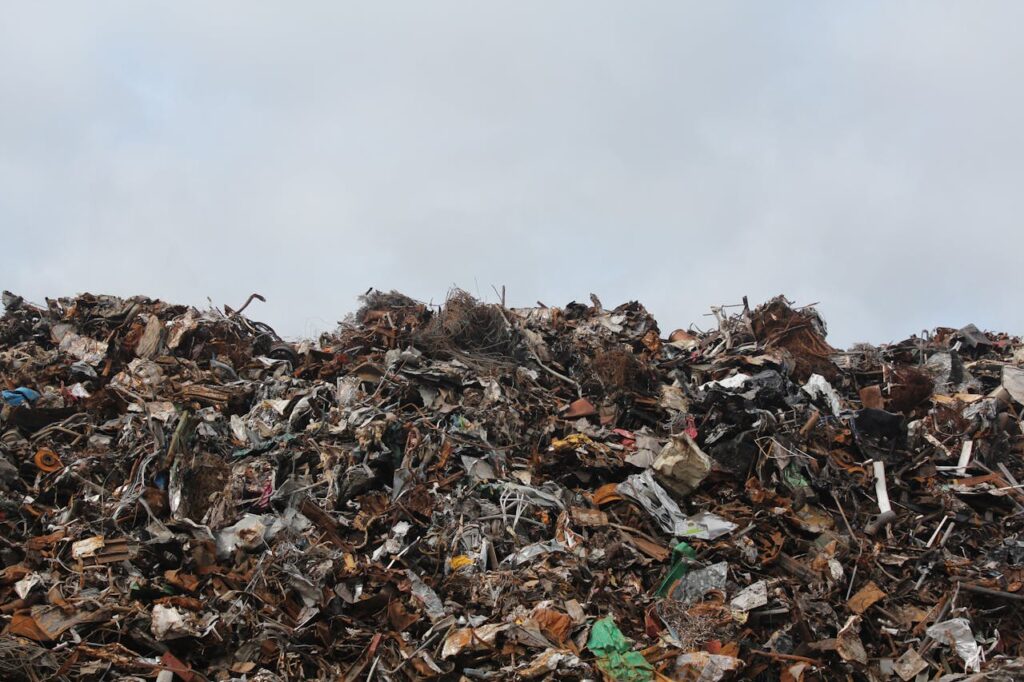
Scrap metals that are recyclable

Recycling Metals

Recycling metals is crucial for conserving resources, reducing environmental impact, and promoting sustainability. Here’s a look at the top 10 most recyclable metals and their widespread applications across various industries.

1. Aluminum

Aluminum is one of the most recyclable metals, capable of being recycled indefinitely without losing its properties. Commonly found in beverage cans, automotive parts, and construction materials, recycled aluminum saves up to 95% of the energy required to produce new aluminum from raw materials. It’s widely used in the packaging, transportation, and construction industries.

2. Steel

Steel is another highly recyclable metal, with about 70% of global steel production coming from recycled sources. It’s used extensively in construction, automotive manufacturing, appliances, and tools. Recycling steel conserves iron ore, reduces greenhouse gas emissions, and saves energy, making it a cornerstone of sustainable practices in heavy industries.

3. Copper

Copper is highly valued for its electrical conductivity and is commonly recycled from wiring, plumbing pipes, and electronic devices. The recycling process retains its high conductivity, making it essential for electrical applications, telecommunications, and renewable energy systems. Recycling copper reduces the need for mining and lowers environmental degradation.

4. Brass

An alloy of copper and zinc, brass is commonly used in plumbing fixtures, musical instruments, and decorative items. Its recyclability makes it a popular choice in manufacturing and construction. Recycled brass maintains its durability and corrosion resistance, reducing the demand for virgin copper and zinc.

5. Lead

Lead is predominantly recycled from automotive batteries, shielding materials, and cable sheathing. Its ability to be recycled multiple times without losing quality makes it crucial in the automotive and energy storage industries. Recycling lead prevents environmental contamination and reduces the health risks associated with lead mining and processing.

6. Zinc

Zinc is often recycled from galvanized steel, die-casting alloys, and batteries. Its primary use is in galvanizing steel to prevent rust, extending the lifespan of steel structures. Recycled zinc is also used in brass production and various chemical applications. Recycling zinc conserves resources and reduces the environmental impact of mining.

7. Nickel

Nickel is a key component in stainless steel and other corrosion-resistant alloys. It’s recycled from batteries, electronics, and industrial equipment. Recycled nickel retains its strength and resistance to high temperatures, making it valuable in the aerospace, automotive, and energy sectors. Recycling nickel helps reduce reliance on mining and lowers carbon emissions.

8. Tin

Tin is commonly recycled from food cans, electronic components, and coatings. It’s mainly used in the production of solder, tinplate, and various alloys. Recycled tin maintains its quality and reduces the need for new tin mining, which often involves harmful environmental practices.

9. Gold

Gold is a precious metal recycled from jewelry, electronics, and dental materials. Despite its high value, it is crucial for its electrical conductivity and resistance to corrosion, making it indispensable in the electronics industry. Recycling gold reduces the environmental and social impacts associated with gold mining, including habitat destruction and pollution.

10. Platinum

Platinum is a rare and valuable metal recycled from catalytic converters, electronics, and medical devices. Its high melting point and resistance to chemical reactions make it essential in the automotive, jewelry, and chemical industries. Recycling platinum helps conserve this scarce resource and reduces the environmental impact of mining.

Conclusion

Recycling metals not only conserves natural resources but also significantly reduces energy consumption and environmental pollution. These top 10 recyclable metals play vital roles in various industries, from construction and automotive to electronics and energy. By promoting and practicing metal recycling, we can move towards a more sustainable and environmentally-friendly future.

Filed Under: Scrap Yard Singapore

The Future of Scrapyards

April 16, 2024 by admin

Innovations in Recycling Technology and Sustainability

In today’s rapidly changing world, scrapyards are undergoing a transformation. Once seen as places to discard old and unwanted materials, scrapyards are now at the forefront of innovation in recycling technology and sustainability. As environmental awareness grows and the demand for recycled materials increases, scrapyards are adapting and evolving to meet these challenges.

In this post, we’ll explore the future of scrapyards, focusing on the innovative technologies and sustainable practices that are shaping the industry.

Future of Scrapyards

Emerging Technologies in Scrapyard Recycling

1. Advanced Sorting Systems

One of the most significant advancements in scrapyards is the development of advanced sorting systems. These systems use sophisticated sensors, cameras, and artificial intelligence (AI) to sort and categorize different types of materials quickly and efficiently. By automating the sorting process, scrapyards can increase their recycling rates and reduce the amount of waste sent to landfills.

2. Mobile Recycling Units

Mobile recycling units are another innovative solution that is gaining popularity in the scrapyard industry. These compact and portable units can be deployed directly at demolition sites or industrial facilities, allowing for on-site processing of materials. This not only reduces transportation costs but also minimizes the environmental impact associated with transporting materials to and from scrapyards.

3. Chemical Recycling

Chemical recycling is a promising technology that allows scrapyards to break down complex materials into their basic chemical components, which can then be used to create new products. Unlike traditional mechanical recycling, which can be limited by the quality and purity of materials, chemical recycling offers a more versatile and efficient way to recycle a wide range of materials, including plastics and rubber.

Sustainable Practices in Scrapyard Operations

1. Water Recycling and Conservation

Water is an essential resource in scrapyards, used for cleaning, processing, and cooling equipment. To reduce water consumption and minimize environmental impact, scrapyards are implementing water recycling and conservation measures. This includes capturing and treating wastewater for reuse, installing water-efficient equipment, and implementing water-saving practices throughout the facility.

2. Energy Efficiency

Energy efficiency is another key focus area for scrapyards looking to reduce their carbon footprint. By investing in energy-efficient equipment and lighting, optimizing heating and cooling systems, and implementing renewable energy solutions such as solar panels and wind turbines, scrapyards can significantly reduce their energy consumption and greenhouse gas emissions.

3. Zero Waste Initiatives

Many scrapyards are also adopting zero waste initiatives, aiming to divert as much material as possible from landfills. This includes not only recycling scrap metal, but also finding innovative ways to reuse or repurpose other materials, such as plastics, glass, and electronics. By adopting a circular economy approach, scrapyards can maximize the value of materials and minimize waste.

Challenges and Opportunities

While the future of scrapyards looks promising, there are still challenges to overcome. Implementing new technologies and sustainable practices requires significant investment and expertise. Additionally, the scrapyard industry faces regulatory challenges, market fluctuations, and competition from overseas markets.

However, these challenges also present opportunities for scrapyards to differentiate themselves and create a competitive advantage. By embracing innovation, focusing on sustainability, and building strong relationships with customers and suppliers, scrapyards can thrive in an increasingly complex and competitive marketplace.

Conclusion

The future of scrapyards is bright, thanks to innovative technologies and sustainable practices that are reshaping the industry. From advanced sorting systems and mobile recycling units to chemical recycling and zero waste initiatives, scrapyards are embracing change and leading the way towards a more sustainable and environmentally friendly future.

As consumers and businesses alike become more environmentally conscious, the demand for recycled materials will continue to grow. Scrapyards that can adapt and evolve to meet this demand, while also reducing their environmental impact, will be well-positioned to succeed in the years to come.

By investing in new technologies, adopting sustainable practices, and embracing innovation, scrapyards can not only reduce their carbon footprint and conserve natural resources but also create new opportunities for growth and profitability. The future of scrapyards is indeed promising, and the industry is ready to embrace the challenges and opportunities that lie ahead.

Filed Under: Scrap Yard Singapore

The Journey of a Car: From Road to Junkyard

March 22, 2024 by admin

When we see a car on the road, we often admire its design, speed, or the memories it carries. But have you ever wondered what happens to these vehicles when they reach the end of their roadworthy life? Many of them find their way to a junkyard, playing a crucial role in the recycling ecosystem.

In this article, we’ll explore the journey of a car from the road to a junkyard, highlighting the importance and benefits of junkyards in our society.

junkyard

What is a Junkyard?

A junkyard, also known as a salvage yard or scrapyard, is a place where end-of-life vehicles are collected, stored, and recycled. These yards are essential hubs for recycling and reusing automotive parts and materials, reducing waste and conserving resources.

The Journey Begins: Arrival at the Junkyard

When a car reaches the end of its useful life due to age, damage, or mechanical failure, it is often towed to a junkyard. Upon arrival, the junkyard professionals assess the vehicle to determine its condition and potential for salvageable parts.

Dismantling and Salvaging

The next step in the junkyard process is dismantling the vehicle to salvage usable parts and components. Skilled mechanics and technicians carefully remove valuable parts like engines, transmissions, and electronics, which are then cleaned, refurbished, and sold as used parts.

Environmental Benefits of Junkyards

Junkyards play a crucial role in environmental conservation by recycling and reusing automotive materials. By salvaging and recycling metals, plastics, and other materials from end-of-life vehicles, junkyards reduce the need for new raw materials, lower energy consumption, and minimize landfill waste.

Economic Benefits of Junkyards

In addition to environmental benefits, junkyards also contribute to the economy by providing affordable used auto parts to consumers and supporting local businesses. The auto recycling industry generates significant revenue and employment opportunities, making it a vital sector in many communities.

Conclusion

The journey of a car from the road to a junkyard is a testament to the recycling and reusing capabilities of our society. Junkyards play a pivotal role in sustainable waste management, environmental conservation, and economic growth.

So, the next time you see a junkyard, remember that it’s more than just a collection of old cars; it’s a vital part of our recycling ecosystem. Whether you’re in need of a replacement part or looking to recycle your old vehicle, junkyards are there to help, turning end-of-life cars into valuable resources for the future.

Filed Under: Scrap Yard Singapore

The Life Cycle of Metal: A Journey Through the Scrap Yard

February 18, 2024 by admin

What is scrap yard in general?

Scrap yards, often overlooked and underappreciated, play a vital role in the intricate web of recycling and resource management. These bustling hubs serve as the final destination for a diverse array of metal objects, from old cars to discarded appliances, embarking on a journey of transformation and renewal.

In this article, we delve into the fascinating world of scrap yards, tracing the life cycle of metal as it undergoes the process of recycling and repurposing within these dynamic industrial ecosystems.

 A journey through a scarp yard, its processes

The Process

1. The Arrival

The journey begins with the arrival of metal objects at the scrap yard, where they are weighed, sorted, and categorized according to their composition and value. From rusty automobiles to obsolete machinery, every item has the potential to be reborn through the alchemy of recycling. Explore the bustling activity of the scrap yard as trucks unload their cargo, and workers set to work dismantling and processing the incoming metal.

2. Sorting and Processing

Inside the scrap yard, a meticulously orchestrated dance unfolds as metal objects are sorted into various categories, such as ferrous and non-ferrous metals, and prepared for processing. Witness the clang of machinery and the hum of conveyor belts as scrap metal is shredded, crushed, and sheared into manageable pieces. Learn about the importance of separating different metals to maintain the integrity of the recycling process and maximize their value.

3. Melting and Refining

Once sorted and processed, the metal undergoes a transformational journey through the crucible of the furnace. Follow the molten metal as it is melted down and refined into raw materials ready for reuse. Explore the intricacies of metallurgical processes, such as smelting and alloying, that enable scrap metal to be transformed into high-quality materials for manufacturing and construction purposes.

4. Rebirth and Renewal

As the sun sets on the scrap yard, a new day dawns for the recycled metal, as it finds new life in a myriad of products and applications. From automotive parts to structural steel, recycled metal plays a crucial role in building a sustainable and circular economy. Delve into the diverse array of industries and sectors that benefit from recycled metal, and the environmental and economic benefits of choosing recycled materials over virgin resources.

5. Closing the Loop

The journey comes full circle as the cycle of metal continues, with recycled products eventually finding their way back to the scrap yard at the end of their useful life. Explore the concept of closed-loop recycling and the importance of creating a circular economy where resources are conserved, reused, and recycled in perpetuity. Reflect on the role of scrap yards as guardians of sustainability, ensuring that the legacy of metal endures for generations to come.

Conclusion

Scrap yards may be humble and unassuming, but their impact on the global ecosystem is profound. Through the relentless dedication of workers and the ingenuity of recycling technologies, these industrial marvels breathe new life into discarded metal, transforming waste into a valuable resource.

As we continue to grapple with environmental challenges and finite resources, the journey through the scrap yard serves as a poignant reminder of the power of recycling to create a more sustainable and resilient future for generations to come.

Filed Under: Scrap Yard Singapore

When is it Time to Say Goodbye to Your Used Lorry?

January 16, 2024 by admin

Lorry Usage

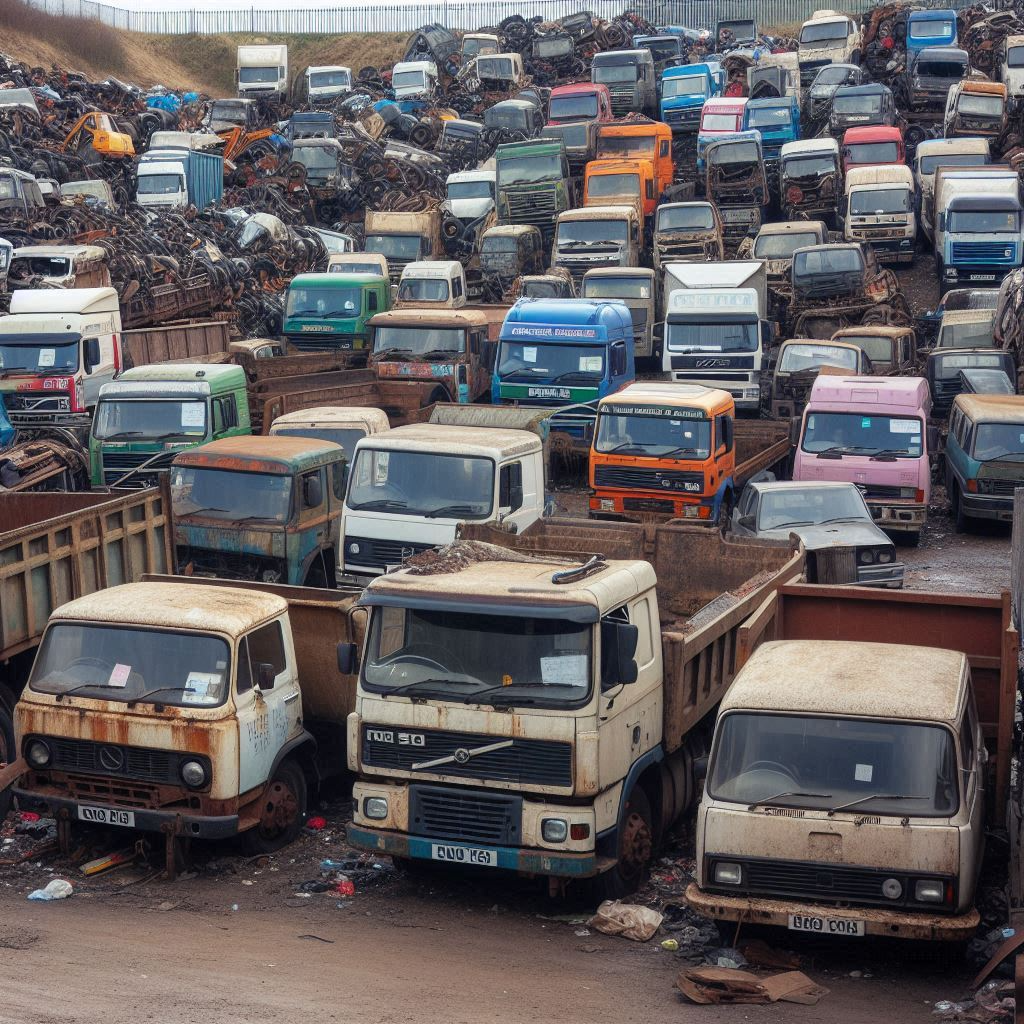
If you own a lorry, you know it’s a workhorse, tirelessly hauling goods from one place to another. However, like all vehicles, there comes a time when saying goodbye is the best option. Knowing when to scrap your used lorry can save you time, money, and ensure the safety of yourself and others on the road.

factors to consider before scrapping lorry

Shoud You Scrap Your Lorry?

Before scrapping your lorry, here are some key signs that it might be time to part ways with your trusted companion:

1. Age and Wear

Every lorry has a lifespan. As it racks up miles and years on the road, wear and tear become inevitable. Eventually, the cost of maintaining an aging lorry may exceed its value. If you find yourself constantly shelling out for repairs, it might be more economical to invest in a newer model.

2. Mechanical Issues

No vehicle is immune to mechanical problems, but when they become frequent or severe, it’s a red flag. From engine issues to transmission failures, major repairs can quickly drain your bank account. If your lorry is spending more time in the shop than on the road, it’s time to consider other options.

3. Safety Concerns

Safety should always be a top priority when operating any vehicle. Older lorries may lack modern safety features, putting you and others at risk on the road. If you find yourself worrying about the reliability of your lorry or its ability to handle heavy loads safely, it’s time to reassess your options.

4. Emissions Regulations

With environmental concerns on the rise, emissions regulations are becoming stricter. Older lorries may not meet these standards, making them illegal to operate without costly upgrades. Investing in a newer, more environmentally friendly model could save you from fines and penalties down the road.

5. Fuel Efficiency

In today’s world, fuel efficiency is more important than ever. Older lorries tend to guzzle gas, costing you more money at the pump. Upgrading to a newer model with improved fuel efficiency can save you money in the long run and reduce your carbon footprint.

6. Obsolete Technology

Technology is constantly evolving, and that includes the features and capabilities of lorries. Newer models often come equipped with advanced technology that improves performance, efficiency, and safety. Holding onto an outdated lorry could mean missing out on these benefits.

7. Financial Considerations

At the end of the day, it all comes down to dollars and cents. If the cost of repairing or maintaining your lorry exceeds its resale or operational value, it’s time to cut your losses. Scrapping your used lorry and investing in a newer model can ultimately save you money in the long term.

Summary

In conclusion, knowing when to say goodbye to your used lorry is crucial for your safety, your wallet, and the environment. By recognizing the signs outlined above, you can make an informed decision that ensures smooth sailing (or driving) ahead.

Filed Under: Scrap Yard Singapore

  • « Go to Previous Page
  • Page 1
  • Page 2
  • Page 3
  • Page 4
  • Page 5
  • Page 6
  • Go to Next Page »

Vehicle Scrapyard Exporter Pte Ltd
Copyright © 2025

WhatsApp us