Table of Contents
- Introduction: Why Scrap Metal Recycling Matters in 2026
- Understanding Scrap Metal Recycling in Singapore
- Common Sources of Scrap Metal
- Ferrous vs Non-Ferrous Metals Explained
- The Scrap Metal Recycling Process
- Benefits of Scrap Metal Recycling
- Scrap Collection and Logistics Services
- Legal and Environmental Responsibilities
- Choosing a Reliable Scrap Metal Recycler
- How Scrap Metal Recycling Supports the Circular Economy
- Conclusion
1. Introduction: Why Scrap Metal Recycling Matters in 2026
In 2026, scrap metal recycling in Singapore has become an essential activity for both businesses and individuals. With limited land space, rising material costs, and increasing environmental responsibility, recycling metal waste is no longer optional—it is a practical and economic necessity.
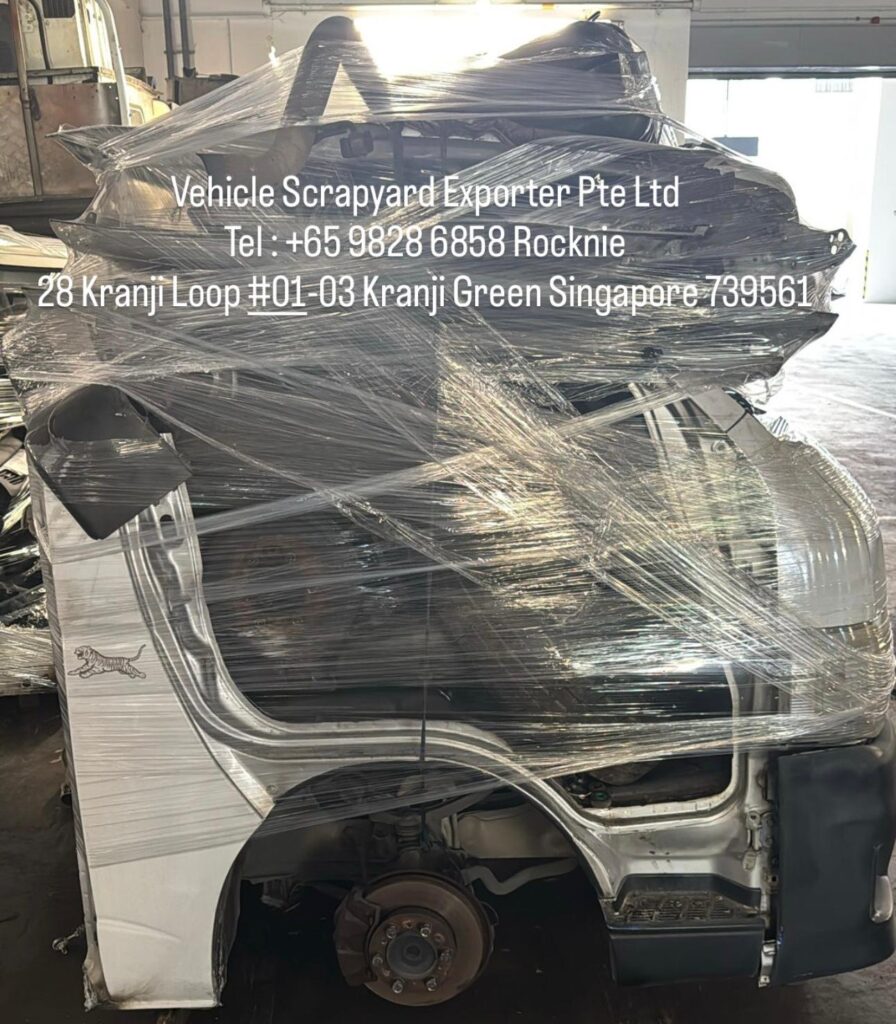
This article complements the broader discussion on scrapyards in Singapore by focusing specifically on scrap metal recycling. While scrapyards serve as central processing hubs, metal recycling represents the operational backbone that transforms discarded materials into reusable resources. Together, they form a critical pillar of Singapore’s circular economy.
2. Understanding Scrap Metal Recycling in Singapore
Scrap metal recycling involves collecting discarded metal items, processing them, and reintroducing them into manufacturing and construction supply chains. In Singapore, this process is handled primarily by licensed scrapyards and metal recycling facilities.
Recyclers accept scrap from a wide range of sources, including industrial operations, construction sites, renovation projects, warehouses, and households. Metals are sorted, cleaned, processed, and prepared for reuse either locally or for export to regional manufacturing partners.
Scrap metal recycling reduces dependency on imported raw materials and helps stabilise material supply for key industries.
3. Common Sources of Scrap Metal
Scrap metal in Singapore originates from many everyday and industrial activities. Common sources include:
- Construction and demolition projects producing steel bars and beams
- Renovation works generating aluminium frames and metal fittings
- Manufacturing facilities replacing or upgrading machinery
- Warehouses clearing unused shelving or racking systems
- Households disposing of old appliances and fixtures
Vehicles scrapped at authorised scrapyards also contribute a significant volume of recyclable metal, linking vehicle disposal services directly with the scrap metal recycling ecosystem.
4. Ferrous vs Non-Ferrous Metals Explained
Understanding metal types helps sellers maximise value when recycling scrap.
Ferrous Metals
Ferrous metals contain iron and are magnetic. Common examples include structural steel, cast iron, and industrial machinery parts. These metals are widely used in construction and manufacturing and are usually recycled in large volumes.
Non-Ferrous Metals
Non-ferrous metals do not contain iron and are typically more valuable. Examples include copper, aluminium, brass, and stainless steel. These metals are prized for their conductivity, corrosion resistance, and lightweight properties.
Separating ferrous and non-ferrous metals before selling can significantly improve pricing and processing efficiency.
5. The Scrap Metal Recycling Process
Scrap metal recycling in Singapore generally follows a structured process:
- Collection – Scrap is delivered to a scrapyard or collected directly from the seller’s site.
- Sorting – Metals are separated by type, size, and quality.
- Processing – Materials may be cut, shredded, or compressed for easier handling.
- Weighing and Pricing – Processed scrap is weighed and priced based on market rates.
- Distribution – Recycled metal is sold to manufacturers or exported for further use.
Modern scrapyards increasingly use digital systems to improve accuracy, transparency, and traceability throughout this process.
6. Benefits of Scrap Metal Recycling
Scrap metal recycling offers multiple benefits:
- Environmental Protection: Recycling metals uses significantly less energy than producing new metals from raw ores.
- Economic Value: Scrap metal has resale value, turning waste into a revenue stream.
- Waste Reduction: Recycling reduces landfill and incineration loads.
- Resource Conservation: Valuable natural resources are preserved for future generations.
For businesses, recycling scrap metal also supports corporate sustainability goals and environmental reporting requirements.
7. Scrap Collection and Logistics Services
In 2026, many scrap metal recyclers in Singapore offer full-service logistics solutions. These may include:
- On-site collection using specialised vehicles
- Scheduled pickups for factories and construction sites
- Container placement for ongoing scrap accumulation
- Dismantling services for large equipment
These services are particularly valuable for businesses handling large volumes of scrap, allowing them to focus on operations while maintaining proper waste management practices.
8. Legal and Environmental Responsibilities
Scrap metal recycling in Singapore is governed by environmental and operational regulations. Recyclers must be licensed, and sellers are encouraged to work only with authorised facilities.
Improper disposal of industrial scrap or hazardous materials can result in fines or legal action. Working with licensed scrapyards ensures that materials are processed responsibly and in compliance with environmental standards.
This regulatory framework reinforces the importance of scrapyards as trusted intermediaries within the recycling ecosystem.
9. Choosing a Reliable Scrap Metal Recycler
When selecting a scrap metal recycler, consider:
- Licensing and regulatory compliance
- Transparent pricing and weighing systems
- Experience with your type of scrap
- Availability of collection and logistics services
- Environmental and safety standards
Establishing a long-term relationship with a reputable recycler can improve efficiency, pricing consistency, and compliance.
10. How Scrap Metal Recycling Supports the Circular Economy
Scrap metal recycling is a core component of Singapore’s circular economy strategy. By keeping materials in use for as long as possible, recycling reduces waste and strengthens supply chains.
Scrapyard acts as central hubs where materials from multiple sources converge, are processed, and redistributed. This directly links scrap metal recycling to broader scrapyard operations, reinforcing their combined role in sustainable development.
11. Conclusion
In 2026, scrap metal recycling in Singapore is more than a waste management practice—it is a strategic activity that supports sustainability, economic efficiency, and industrial resilience.
When combined with professional scrapyard services, scrap metal recycling helps individuals and businesses turn unused materials into value while meeting environmental and legal responsibilities. Together, these systems form a foundation for Singapore’s long-term circular economy and greener future.
Leave a Reply